

Quick Summary
- The right knee brace for running depends on your specific condition, not just your level of pain.
- Compression sleeves suit mild discomfort; patellar straps and stabilizing braces address kneecap pain; hinged braces support ligament instability.
- Proper fit matters as much as brace type. A sliding or too-tight brace reduces benefit and can irritate skin or restrict circulation.
- A brace is a supportive tool, not a cure. Strength training and load management are essential for lasting improvement.
- Stop running and seek medical evaluation if your knee swells, locks, gives way, or causes numbness.
Choosing the right knee brace for running depends on your specific knee condition, not just how much pain you feel. Compression sleeves, patellar straps, stabilizing braces, and hinged braces each address a different problem, and selecting the wrong type reduces benefit even when the fit is correct. This guide explains how each brace type matches a specific knee condition, how to measure and wear a brace correctly, and when bracing alone isn’t the full answer. It’s written for active adults of all ages, including older runners who want to keep moving with less pain.
What a Knee Brace Can and Cannot Do for Running
A knee brace adds external support to the joint through one of four mechanisms: compressing soft tissues, guiding kneecap movement, limiting how far the knee bends or straightens, or shifting load away from a damaged area. Each mechanism targets a different type of knee problem, which is why selecting the correct brace type determines how much relief you actually get during a run.
The AAOS knee braces overview explains that braces are commonly used for support, alignment, and pain reduction in conditions such as arthritis, ligament injuries, and post-surgical recovery. What a brace cannot do is repair damaged cartilage, heal a torn ligament on its own, or replace the stability that strong muscles provide around the joint.
A brace works best as one tool within a broader plan that includes physical therapy, strength training, and training load adjustments. Many runners use a brace during a return-to-running program, then gradually reduce their reliance on it as their strength and joint tolerance improve.
A brace may also help you recognize your limits. Pain that worsens during a run even while wearing a brace is a signal to cut back mileage and check in with a healthcare provider. A brace that reduces discomfort enough to let you push through a serious injury can cause more harm than good. Use it as guidance, not a green light to ignore pain.
How to Choose the Right Brace by Knee Problem
Matching the brace type to your diagnosis is the most important step in selecting a knee brace for running. Different knee problems need different types of support, and choosing by pain level alone, without a clear diagnosis, is the most common reason runners find bracing unhelpful.
Patellofemoral pain syndrome, also called runner’s knee, causes pain around or behind the kneecap. The American Academy of Orthopaedic Surgeons notes that this condition is commonly aggravated by running, squatting, stair climbing, and prolonged sitting. The AAOS patellofemoral pain guide explains the full picture. Runners with this diagnosis benefit from a patellar stabilizing brace or a patellar tendon strap, both of which control kneecap movement and reduce pressure on the joint surface during activity.
Knee osteoarthritis causes joint pain and stiffness from gradual cartilage wear. The National Institute of Arthritis and Musculoskeletal and Skin Diseases (NIAMS) notes that osteoarthritis management commonly includes exercise and may include braces as one part of a broader self-management plan. An unloader brace shifts stress away from the most affected compartment of the knee. A compression sleeve may also ease mild osteoarthritis discomfort during lower-intensity activity.
Meniscus tears cause pain, swelling, and sometimes a catching or locking sensation in the joint. Mayo Clinic’s meniscus tear guide describes these symptoms in detail. Mild tears may allow continued running with a compression or hinged brace for added stability, but many meniscus injuries benefit from medical evaluation before returning to impact activity.
Ligament instability from a partial or older injury responds well to a hinged brace that controls side-to-side motion. If you’re unsure which category fits your symptoms, a physical therapist or orthopedic specialist can identify the underlying cause and recommend the correct support.
Sleeve vs Strap vs Hinged Brace: Which One Fits Your Needs?
Five knee brace types are used for running, each built for a different job. Picking the right one matters more than picking the most supportive option.
A compression sleeve is a tube of elastic or neoprene fabric that slides over the knee. It adds warmth, light compression, and mild proprioceptive feedback, meaning it helps your brain sense joint position more clearly. Sleeves work well for general achiness, mild swelling, and runners who want low-profile support without restricting movement. They’re lightweight and easy to wear under clothing or tights.
A patellar tendon strap is a narrow band that sits just below the kneecap. It applies targeted pressure to the patellar tendon, reducing the pulling force on the lower kneecap during activity. Runners with pain at the front of the knee, just below the kneecap, often find this style helpful for longer runs.
A patellar stabilizing brace includes a cutout or buttress around the kneecap to guide its tracking during movement. This is a step up from a plain sleeve and is useful when the kneecap shifts, grinds, or feels unstable during a run.
A hinged knee brace has rigid side supports that limit unwanted side-to-side motion. These braces are heavier and bulkier but offer the highest level of stability for runners dealing with ligament concerns or significant instability after injury.
An unloader brace is a custom or semi-custom device used mainly for knee arthritis. It uses a three-point pressure system to shift load away from the damaged side of the joint, making it distinct from general compression or hinged options.
Choose the lightest brace that meets your needs. More support isn’t always better. A brace that restricts natural movement needed for a smooth running stride can create new compensations and discomfort elsewhere in the body.
How to Fit and Wear a Knee Brace for Running
Proper fit is as important as brace type. A brace that slides, bunches, or digs into the skin won’t deliver the support it was designed to provide, regardless of how well it’s matched to your condition.
For a compression sleeve, measure the circumference of your thigh about six inches above the center of your kneecap. Use a soft measuring tape and stand with your leg slightly relaxed. Compare this measurement to the sizing chart for your specific brand, since sizes vary meaningfully between manufacturers. Don’t assume your size in one brand carries over to another.
For a hinged or wraparound brace, you’ll typically need both a thigh and a calf circumference measurement, as well as the circumference at the center of the knee itself. Follow the sizing instructions included with the brace, since each product uses its own method to determine fit.
Tip: When trying on a new brace, wear it for a short walk before committing to a run. If it slides more than an inch within the first few minutes, try a smaller size or a different style with a textured grip lining on the inside.
A properly fitted brace should feel snug but shouldn’t dig into soft tissue, cause tingling, or leave deep red marks after removal. If you feel numbness or notice that your skin is changing color below the brace, remove it immediately. Don’t put it back on until you’ve resolved the fit problem.
Many runners wear a moisture-wicking liner under a rigid brace to prevent skin irritation during longer runs. Wash the brace regularly to prevent skin reactions from sweat and bacteria buildup. Put the brace on before your warm-up and make sure it stays centered over the kneecap throughout the run. If it drifts, stop and reposition it rather than continuing with a misaligned brace.
When a Knee Brace Is Not Enough
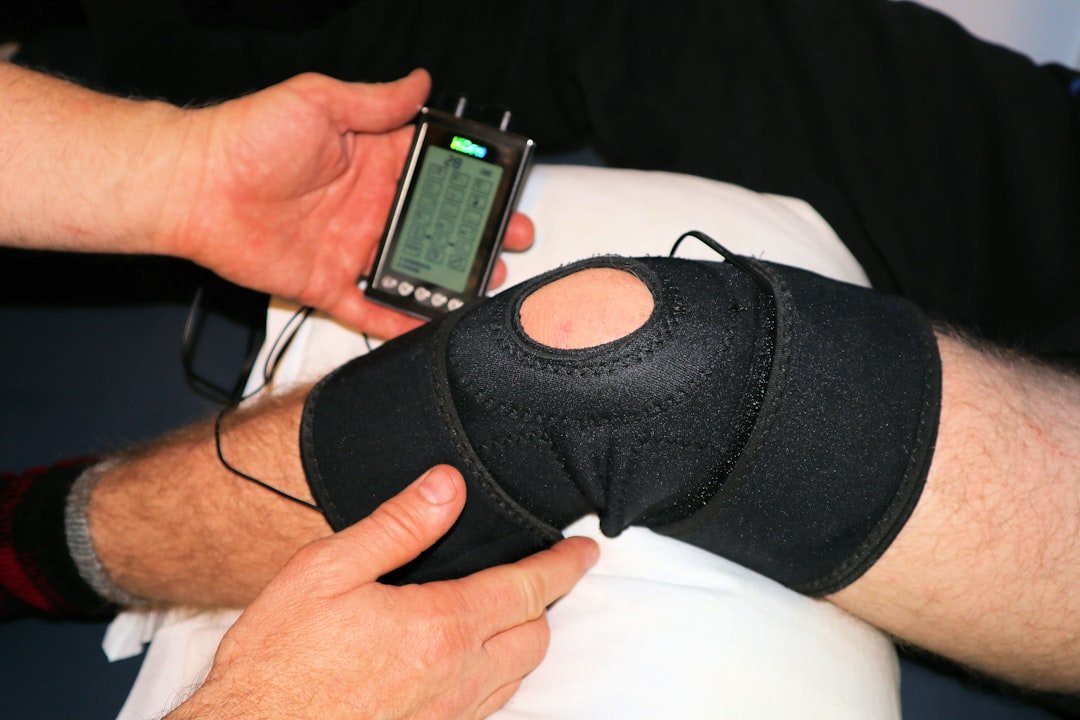
A knee brace manages symptoms but doesn’t address the underlying causes of most running-related knee pain. Lasting improvement almost always requires combining bracing with strength training, load management, and corrections to gait or footwear.
Strength training is one of the most consistently recommended approaches for runner’s knee and knee osteoarthritis. Weak hip and quadriceps muscles place more stress on the knee joint during each stride. Exercises targeting the hips, glutes, and inner thighs can gradually reduce that load. The patellofemoral pain review on NCBI Bookshelf notes that bracing is best considered adjunctive in this condition, meaning it supports but doesn’t replace work on underlying biomechanics and strength deficits.
Load management matters just as much. Increasing mileage or training intensity too quickly is a common cause of knee overuse injuries. Many runners find that slowing their weekly mileage increase and adding planned rest days reduces knee symptoms, even before any other change is made to their routine.
Gait analysis may reveal foot strike patterns, hip drop during landing, or knee alignment issues that place extra strain on the joint. A physical therapist or sports medicine specialist can assess your running mechanics and suggest specific adjustments that no brace can replicate.
Footwear plays a role that many runners underestimate. Worn-out shoes, the wrong type of support, or a mismatch between foot type and shoe design can all contribute to knee stress over time. Replacing shoes at regular intervals and getting a proper fitting at a specialty running store are practical steps worth taking alongside any bracing plan.
If you’ve been using a brace for several weeks without improvement, or if symptoms are worsening, that’s a clear signal that more evaluation is needed. A brace is a useful tool, but it’s not a substitute for identifying and addressing the root problem.
Best Practices for Running Safely With Knee Support
Using a knee brace effectively during running requires a few consistent habits: put the brace on before each session begins, start with a warm-up, monitor your pain level throughout the run, and allow recovery time afterward. Each of these steps affects how much benefit you get from the support.
Start short. If you’re returning to running after a knee injury or flare-up, begin with short, easy runs at a comfortable pace. Use the brace from the very start of each session, not just when pain appears. Starting with it on gives you a cleaner read on how the knee is actually tolerating the run.
Warm up before you run. A five-minute walk followed by gentle leg swings, heel raises, and straight-leg raises helps prepare the knee joint for the demands of running. Cold joints are less responsive and more vulnerable to strain, especially in older adults.
Monitor your pain level throughout each run. A mild ache of two or three on a scale of ten is often acceptable during a gradual return-to-running phase. Pain above that level, or pain that builds as the run continues rather than settling down, means you should stop and rest that day.
Allow your knee time to recover after runs. Elevating the leg, applying a cold pack for fifteen to twenty minutes, and avoiding excessive stair climbing in the hours after a run can all help manage post-run soreness. Recovery is part of the training, not optional.
Avoid wearing the brace all day for ordinary daily activities unless your provider specifically recommends it. Constant use beyond running suggests the underlying problem needs more attention than a brace can provide on its own.
Tip: Keep a simple running log that records your pain level before, during, and after each run. This record helps you and your healthcare provider spot patterns and adjust your plan as your condition changes week to week.
When to See a Doctor
See a Doctor Soon If:
- Your knee pain has not improved after two to four weeks of using a brace and modifying your activity level.
- The knee swells noticeably after every run, even at low intensity or short distances.
- You feel a grinding, clicking, or catching sensation inside the knee during movement.
- The brace causes persistent numbness, tingling, or skin irritation that does not resolve with repositioning or a different size.
- Your pain is worsening over time rather than improving, even gradually.
Seek Emergency Care If:
- Your knee suddenly gives way completely and you cannot bear weight on it.
- The knee becomes severely swollen, red, and warm within minutes of an injury or fall.
- You feel or hear a pop in the knee during a run, followed by immediate pain and a feeling of the joint giving out.
Key Takeaways
- Match the brace type to your specific knee condition, not just your pain level. This is the single most important step. (Starting point)
- Measure carefully before buying. A brace that slides or compresses unevenly will not provide the support it promises. (Before first use)
- Use bracing as one part of a plan that includes strength training, load management, and appropriate footwear. (Ongoing)
- Begin each brace-supported run with a warm-up and monitor your pain level throughout the session. (Every run)
- Seek medical evaluation if symptoms are not improving after several weeks or if any warning signs appear. (As needed)
- Gradually reduce brace reliance as your strength and symptoms improve, with guidance from your healthcare provider. (Long-term goal)
The most useful knee brace for running is the one that matches your specific diagnosis, fits your body correctly, and is part of a broader joint health plan. A compression sleeve suits mild discomfort; a patellar stabilizing brace or hinged brace suits a more defined condition such as patellofemoral pain or ligament instability.
What matters most is treating a brace as a tool within a larger plan. The NIAMS osteoarthritis resources and the NCBI knee osteoarthritis summary both reinforce that supportive devices work best when combined with exercise, sensible training adjustments, and regular follow-up with a care provider. Bracing alone, without these other pieces, tends to offer temporary relief rather than lasting improvement.
If your symptoms persist or worsen despite your best efforts, seek evaluation early. Early attention to a knee problem almost always leads to a faster and more complete recovery than waiting until pain becomes disabling. Getting the support right early beats managing a worsening problem later.
Frequently Asked Questions
What type of knee brace is best for running support?
The best brace depends on your specific knee problem. A compression sleeve suits mild aching and general support. A patellar strap or stabilizing brace helps with kneecap-related pain. A hinged brace offers more control for ligament instability. Matching the brace type to your diagnosis gives you the most benefit.
Is a compression sleeve or hinged brace better for knee pain while running?
A compression sleeve works well for mild, general knee discomfort and provides warmth during running. A hinged brace is better when you have instability or a ligament concern that needs firm, structured support. If you are unsure which applies to your situation, a healthcare provider can help you decide.
How do I choose the right size knee brace for running?
Measure the circumference of your thigh about six inches above the center of your kneecap. Compare this number to the manufacturer’s sizing chart, since sizes vary between brands. A well-fitted brace stays in place during activity without digging in or cutting off circulation to the lower leg.
Can I run every day with a knee brace?
Wearing a brace during daily runs is acceptable for many people managing a specific knee condition. However, relying on a brace without also addressing strength, flexibility, and training load may slow long-term improvement. Rest days and rehabilitation exercises remain important parts of any sustainable running plan.
When should I stop using a knee brace and see a doctor?
Stop running and see a doctor if your knee becomes significantly swollen, locks up, gives way without warning, or feels numb. Pain that does not improve with rest, or that worsens despite bracing, also warrants evaluation. These signs may point to a condition that needs more than supportive care alone.
This article is for informational purposes only and does not replace professional medical advice. Always consult your doctor before starting any treatment.