

Quick Summary
- A posture corrector bra temporarily repositions your shoulders and upper back while worn, but the improvement does not last once you remove it unless you also strengthen the relevant muscles.
- Clinical research on back braces and shoulder supports shows limited standalone benefit for pain; exercise and physical therapy produce more lasting results.
- Short daily sessions are generally safe for healthy adults, but prolonged wear without exercise can weaken the postural muscles over time.
- People with osteoporosis, scoliosis, shoulder impingement, or recent spinal or shoulder surgery should consult a specialist before using any posture support garment.
- The most effective approach pairs a posture bra with targeted strengthening, chest-opening stretches, and ergonomic workspace changes to address the root causes of poor posture.
Posture corrector bras temporarily improve shoulder alignment while worn but do not retrain the postural muscles that hold that position after the garment is removed. These bras combine standard breast support with structural panels or crossed straps designed to pull the shoulders back, and they’re now widely available for adults dealing with the forward rounding that develops from desk work, phone use, or the natural changes that come with age. The clinical evidence is more cautious than most product marketing suggests. What follows covers what posture corrector bras can realistically achieve, where they fall short, and how to use them as part of a broader orthopedic plan rather than a standalone fix.
What Is a Posture Corrector Bra and How Does It Work?
A posture corrector bra draws the shoulder blades together and reduces thoracic kyphosis (the forward rounding of the upper spine) through a structured back panel, reinforced shoulder straps, or a figure-eight harness built into standard breast support. Unlike a dedicated medical thoracic orthosis (a firm trunk brace fitted by a specialist), the posture bra is designed for everyday wear under clothing, making it an option for office workers, older adults, and anyone dealing with mild upper-back fatigue from prolonged sitting.
Every design works by the same passive mechanical principle: straps and panels reposition the shoulders into external rotation, reducing the forward tilt of the thoracic vertebrae and easing the load on the muscles at the base of the neck and between the shoulder blades, while you’re wearing it. Some designs include a firm back panel that discourages rounding during seated work, while others use elasticated crossed straps that create a gentle pull-back effect.
A posture corrector bra repositions the shoulders but does not train the muscles to maintain that corrected position independently. Wearing a shoulder support can alter shoulder alignment and muscle activation patterns during everyday tasks, but changes in pain levels and day-to-day function vary considerably from person to person. That gap, between short-term positioning and genuine muscle retraining, is worth keeping in mind before you choose one of these garments.
What Does the Evidence Say About Posture Supports and Braces?
Clinical evidence consistently shows that exercise and active therapy produce more lasting results than posture-correcting garments used alone. High-quality randomized trials focused specifically on bra-style posture garments are limited; most of the available research examines lumbar supports, rigid thoracic orthoses, and shoulder braces instead, and that research is consistently cautious about the standalone benefit of passive supports.
Lumbar supports have not consistently proven more effective than exercise training, or than no intervention at all, for preventing low-back pain, and the evidence for their role in treatment is mixed. External supports have limited standalone impact on pain outcomes, and that finding carries over to upper-back and posture-correcting garments.
A brace used in isolation tends to produce smaller and shorter-lasting improvements than one used alongside targeted exercise; clinical guidance consistently shows that long-term benefits for pain and function depend heavily on whether the patient also follows an active rehabilitation program. The NINDS back pain overview reinforces this directly, emphasizing that treatments should focus on restoring function through activity and physical therapy rather than on passive supports alone. Taken together, the evidence positions posture bras as a useful adjunct, not a primary treatment.
Benefits and Limitations: What Posture Bras Can and Cannot Do
A posture bra is a sensory reminder and short-term support tool, not a corrective device that delivers lasting change on its own. Used with realistic expectations, it can be a genuinely helpful part of a wider posture plan; used as a substitute for exercise and ergonomic change, it’s likely to disappoint over time.
What a posture bra can do
- Temporarily reduce slouching during wear by mechanically repositioning the shoulders
- Provide sensory feedback, a physical prompt to sit or stand taller throughout the day
- Reduce some upper-back muscle fatigue during prolonged standing or light-task activities
- Offer gentle support during recovery from minor postural strain or muscle fatigue
- Help people with large breasts reduce some gravitational load on the thoracic spine and shoulder girdle
What a posture bra cannot do
- Retrain or strengthen the muscles needed to hold good posture independently
- Replace physical therapy or targeted exercise for chronic back or neck pain
- Correct structural conditions such as moderate or severe scoliosis or significant kyphosis without a specialist-fitted orthotic device
- Deliver permanent postural improvement without accompanying strengthening, stretching, and movement habit changes
The American Academy of Orthopaedic Surgeons identifies strong core and hip muscles, balanced flexibility, and sound ergonomic habits as the foundations of healthy spinal posture, not wearable devices. A posture bra doesn’t address any of those underlying factors, which is why it can’t substitute for them.
| Approach | Short-term posture improvement | Builds muscle strength | Long-term pain relief | Needs professional guidance |
|---|---|---|---|---|
| Posture corrector bra | Yes, while worn | No | Variable | Not usually |
| Targeted exercise program | Gradual | Yes | Yes, with consistency | Beneficial |
| Physical therapy | Gradual | Yes | Yes | Yes |
| Ergonomic workspace changes | Yes | No | Partial | Not usually |
Risks, Side Effects, and Who Should Be Cautious
Posture corrector bras carry real risks when worn incorrectly or for too long each day. The most widely discussed concern among physiotherapists is muscle deconditioning: when the garment holds the shoulders back for extended periods, the rhomboids, lower trapezius, and deep cervical flexors get less activation than they need to stay strong. Without compensatory exercise, those muscles may weaken over time rather than strengthen, worsening resting posture once the bra is removed.
Other potential side effects include:
- Skin irritation and chafing from tight straps, particularly under the arms or across bony shoulder prominences
- Mild nerve discomfort if straps press firmly against the brachial plexus, the nerve network near the neck and shoulder
- Restricted breathing if a firm chest panel compresses the lower ribs, limiting the expansion needed for comfortable deep breaths
- Worsening of shoulder impingement, a condition where tendons in the shoulder joint are pinched, if the garment forces the shoulder into a problematic angle
Certain groups should speak with an orthopedic specialist or physiotherapist before using any posture bra or corrector:
- Adults with osteoporosis and a history of vertebral compression fractures, where compression or malpositioning from a garment carries additional risks
- People with a diagnosed scoliosis, who typically need a specialist-fitted orthosis designed for their specific spinal curve rather than a general posture bra
- Anyone who has had recent spine or shoulder surgery, where post-operative protocols may restrict or specifically guide the use of any support garment
- People with shoulder impingement syndrome or rotator cuff tears, where altered shoulder positioning may aggravate rather than relieve the condition
Tip: If you notice numbness, tingling, or skin redness after wearing your posture bra, remove it immediately and speak with a health professional before using it again.
Evidence-Based Alternatives and How to Use Posture Bras Safely
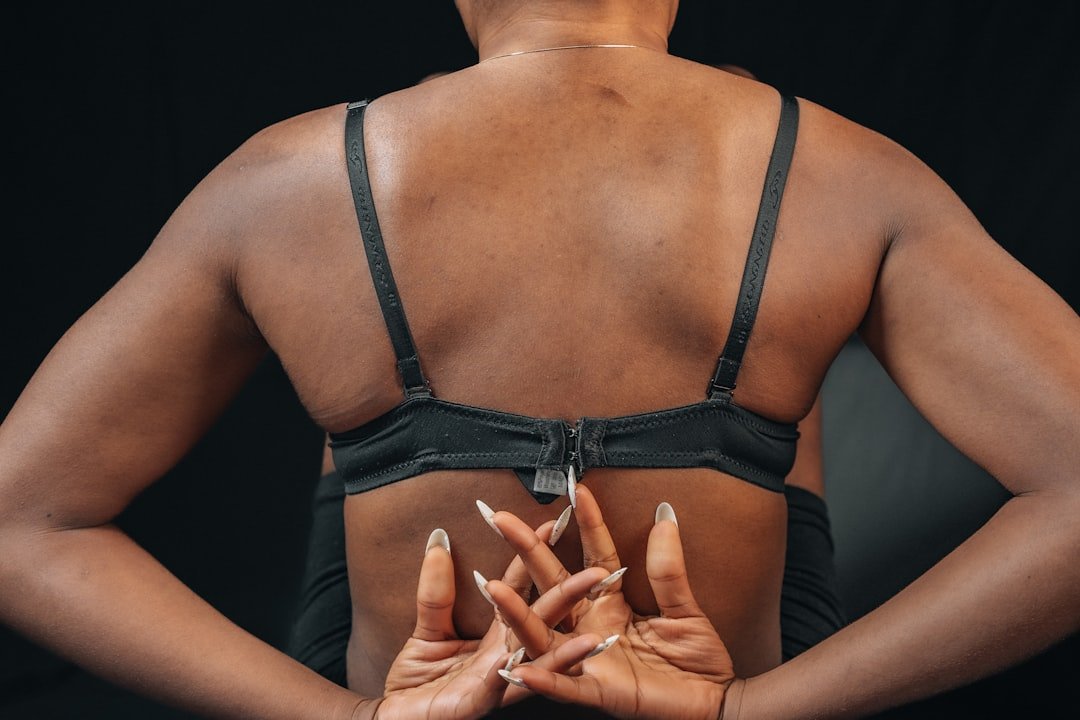
The safest and most effective approach treats a posture bra as one tool within a larger active strategy, not a standalone solution. When combined with targeted movement, ergonomic improvements, and professional guidance where needed, a posture bra earns a useful place in a daily routine; used on its own, it is unlikely to deliver the lasting change most people are hoping for.
Safe daily use guidelines
Start with 30 to 60 minutes of daily wear to get the positional feedback without becoming dependent on the device. Adjust based on comfort and any advice from your health provider. The goal is to use the sensory cue the garment provides to raise your awareness of posture, not to outsource posture control to the fabric permanently.
Choose a fit that feels supportive but allows full, comfortable breathing. If breathing feels restricted, straps leave deep marks on the skin, or you feel tingling in the arms or hands, the garment is too tight or poorly fitted. A well-chosen posture bra should feel like gentle encouragement to sit tall, not a restraint that forces you into position.
Strengthening and ergonomics for lasting change
Effective upper-back exercises for posture include resistance-band rows, scapular retractions (squeezing the shoulder blades together), and prone (face-down) back extensions; remove the posture bra before performing them to build the muscle endurance that no garment can provide. Chest and hip-flexor stretching counteracts the tightening that prolonged sitting creates in those areas, and core strengthening through exercises like bridges and bird-dogs supports the lumbar and thoracic spine from below.
Ergonomic adjustments address the root causes of slouching that no garment can fix: position your monitor at eye level, use a chair with lumbar support, set movement reminders every 30 to 45 minutes, and alternate between sitting and standing during long computer sessions. Physical therapy remains the most evidence-supported route to lasting postural change; a physiotherapist can assess your specific muscle imbalances and build a program around your individual needs and history.
Tip: Think of your posture bra as a reminder alarm rather than a treatment. Each time it prompts you to sit straighter, use that moment to also actively engage your upper-back muscles and readjust your screen height.
When to See an Orthopedic Specialist or Physical Therapist
Most healthy adults with no pre-existing spinal or shoulder conditions can safely try a posture corrector bra without a medical consultation. Some signs and circumstances call for professional evaluation before using any support garment, and others require more urgent attention that a posture bra cannot provide.
See a doctor or physiotherapist soon if you have:
- Back or neck pain that is not clearly improving despite activity modification and home exercise
- A known diagnosis of scoliosis, osteoporosis, spinal stenosis, or a history of vertebral fractures, before starting any posture support device
- Shoulder pain that worsens with arm movements overhead or behind the back, which may indicate impingement or rotator cuff injury
- Noticeable or progressive rounding of the upper back that has been worsening over months
- Persistent headaches you believe may be linked to neck tension and poor upper-back posture
Seek emergency care immediately if you experience:
- Sudden severe back or neck pain after a fall or impact, which could indicate a fracture and requires immediate imaging
- Numbness, tingling, or weakness spreading down one or both arms or legs, which may signal nerve compression or a more serious spinal condition
- Loss of bladder or bowel control alongside back pain, which requires emergency evaluation without delay
The NINDS neck pain overview notes that persistent neck symptoms accompanied by neurological signs such as arm weakness or numbness warrant prompt professional evaluation to rule out more serious underlying causes. A posture bra is not a substitute for diagnostics or comprehensive orthopedic care when those symptoms are present.
Key Takeaways
- A posture corrector bra repositions your shoulders and upper back while worn, but that improvement is temporary and does not retrain muscles on its own.
- Evidence from back-brace and shoulder-support research suggests that external supports offer limited standalone benefit for pain; exercise and physical therapy produce more lasting results.
- Short daily wear sessions are generally low risk for healthy adults; extended daily wear without exercise can weaken postural muscles over time through a process called muscle deconditioning.
- Anyone with osteoporosis, scoliosis, shoulder impingement, or recent spinal or shoulder surgery should consult a specialist before using a posture bra or any corrector device.
- Pair any posture bra with upper-back and core strengthening, chest and hip-flexor stretching, and ergonomic workspace adjustments to address the root causes of poor posture.
- Seek professional evaluation if pain persists for several weeks, worsens with movement, or is accompanied by numbness, tingling, or weakness in the arms or legs.
Conclusion
A posture corrector bra delivers real short-term benefits: reduced slouching, a useful physical reminder to sit or stand taller, and relief from upper-back muscle fatigue during long work sessions. For many adults, particularly those with large breasts or long hours at a desk, a well-chosen posture bra makes a meaningful difference to day-to-day comfort when used thoughtfully.
A posture bra can’t retrain muscles, fix structural spinal issues, or substitute for the active work of strengthening, stretching, and improving your workspace. Clinical evidence on braces and posture supports keeps reaching the same conclusion: passive supports alone have limited impact on lasting pain relief and function. They work best as a complement to active care, not a replacement for it. Treating the bra as a reminder tool rather than a cure is probably the most useful shift in expectation before using one.
If you’re considering a posture bra, start with short wear sessions and use the positional feedback it offers to engage your postural muscles more consciously. Put at least equal effort into the exercises and ergonomic changes that actually build spinal health over time. If you have a pre-existing spinal or shoulder condition, or if your symptoms are persistent or getting worse, speaking with an orthopedic specialist or physiotherapist is the right first step. A proper evaluation is worth the appointment.
Frequently Asked Questions
Do posture corrector bras really improve posture, or is the effect only while you are wearing them?
Posture corrector bras temporarily improve shoulder alignment while worn. A shoulder brace may alter muscle activation during everyday tasks, but lasting change requires pairing any support with regular strengthening and stretching. The bra is a reminder tool, not a muscle retrainer, so the effect largely fades when you take it off.
Can a posture bra help relieve chronic back or neck pain, or should I focus on exercises and physical therapy instead?
A posture bra may ease discomfort during flare-ups by reducing slouching and redistributing load on the upper spine. The National Institute of Neurological Disorders and Stroke notes that active treatments like stretching, strengthening, and physical therapy are the primary recommendations for lasting back and neck pain relief.
Is it safe to wear a posture corrector bra every day, and can it weaken my back and shoulder muscles over time?
Wearing a posture corrector bra for short daily periods, typically 30 to 60 minutes, is generally considered low risk. Extended daily use without accompanying exercise can lead to muscle deconditioning, where the postural muscles rely on the device rather than building their own strength and endurance.
Who should avoid posture bras or speak to an orthopedic specialist before using one?
Adults with scoliosis, vertebral compression fractures related to osteoporosis, recent spine or shoulder surgery, or diagnosed shoulder impingement should speak with an orthopedic specialist before using a posture bra. Certain garments may be contraindicated or may need specialist fitting to avoid worsening pain or restricting movement.
How can I combine a posture corrector bra with ergonomics and strengthening exercises to get safer, more lasting results?
Wear the posture bra for limited periods as a reminder to sit tall, then remove it and perform targeted upper-back, core, and chest-stretching exercises. Pair this with an ergonomic chair, monitor at eye level, and regular movement breaks to reinforce the postural habits the device prompts.
This article is for informational purposes only and does not replace professional medical advice. Always consult your doctor before starting any treatment.