

Quick Summary
- A nerve block is defined by its anatomical target and mechanism; a steroid injection is defined by the corticosteroid medication it delivers. These labels are not synonyms, but one injection can qualify as both when local anesthetic and corticosteroid are combined in a single syringe.
- Knowing both the exact medication and the exact anatomical target of any proposed injection is the most important question to ask your provider before consenting.
- Common spinal injection types include epidural steroid injections, selective nerve root blocks, and medial branch blocks, and each targets a different anatomical space for a different clinical purpose.
- Fluoroscopy, a live X-ray technique, and ultrasound are the two image-guidance methods used to confirm accurate needle placement; fluoroscopy is standard for spinal procedures and ultrasound is common for peripheral nerve and joint injections.
- Patients with diabetes should be aware that corticosteroid injections can temporarily raise blood glucose levels and should monitor more closely in the days following the procedure.
A nerve block names the anatomical target and mechanism: it places local anesthetic near a specific nerve to interrupt pain signals before they reach the brain. A steroid injection names the medication: it delivers an anti-inflammatory corticosteroid to reduce swelling and irritation in affected tissue. In the nerve block vs steroid injection comparison, these labels describe different features of an injection, not necessarily different procedures, which is why a single injection can qualify as both when local anesthetic and corticosteroid are combined in one syringe aimed at one nerve. Knowing where the terms overlap and where they differ helps patients ask sharper questions before consenting to any procedure.
Are a Nerve Block and a Steroid Injection the Same?
A nerve block and a steroid injection are not interchangeable labels, although a single injection can qualify as both when local anesthetic and corticosteroid are combined. A nerve block names the mechanism: it targets a nerve or nerve region to prevent pain signals from traveling to the brain. A steroid injection names the drug class: it delivers a corticosteroid to calm inflammation at a specific anatomical location.
A nerve block places local anesthetic near a specific nerve or nerve group to interrupt pain signal transmission. According to CMS peripheral nerve policy, nerve blocks are classified as regional anesthesia intended to inhibit nerve impulse transmission, and the injected solution may include local anesthetic with or without a corticosteroid depending on the clinical purpose.
A corticosteroid is an anti-inflammatory medication that reduces the production of inflammatory chemicals around irritated nerves, joints, or soft tissue. A steroid injection can be placed in a joint, a bursa (the small fluid-filled cushion near a joint), the epidural space surrounding the spinal cord, or near a nerve root. Because corticosteroids can be delivered to many different anatomical locations, not every steroid injection is a nerve block.
The overlap between the two terms occurs when a physician combines local anesthetic and corticosteroid in one syringe and injects the mixture near a specific nerve, making the procedure meet both definitions at the same time. This combination is common for many spinal and peripheral nerve injections, which is one reason the two terms are so frequently confused. Asking your provider to state both the medication and the precise target site before any procedure removes the guesswork entirely.
| Feature | Nerve Block | Steroid Injection |
|---|---|---|
| Defined by | Target and mechanism | Medication type |
| Primary drug | Local anesthetic | Corticosteroid |
| Effect on pain | Blocks nerve signal transmission | Reduces tissue inflammation |
| Possible locations | Near a nerve or nerve group | Joint, bursa, epidural space, or nerve root |
| Onset of effect | Minutes to hours | Hours to days |
| Can include the other? | Yes, steroid often added | Yes, anesthetic often included |
How Nerve Blocks and Steroid Injections Work
A nerve block and a steroid injection work through different biological pathways, which is why their effects begin at different times and last for different durations. Local anesthetics block sodium channels in nerve cell membranes, stopping the electrical impulses that carry pain messages. Corticosteroids reduce the production of inflammatory chemicals in the tissue surrounding the injection site. Knowing that distinction sets realistic expectations about timing and what you’ll feel.
Local anesthetic takes effect within minutes, producing numbness or noticeably reduced sensation in the area the targeted nerve supplies. That speed matters for immediate pain control and for diagnosis. When anesthetic placed near a suspected pain source temporarily relieves symptoms, the response gives the clinician meaningful evidence that the targeted nerve is contributing to the pain. This diagnostic application is called a diagnostic nerve block, which uses a short-acting anesthetic specifically to confirm the pain source before any longer-term treatment is chosen.
Corticosteroids work more gradually than local anesthetics. Their anti-inflammatory benefit often takes hours or several days to become noticeable. According to CMS corticosteroid evidence, moderate-certainty evidence supports that local corticosteroid injections can reduce pain severity in the short term for selected conditions, with a potential benefit window of up to approximately six months, though outcomes depend on the specific diagnosis and injection site.
Short-term numbness from the local anesthetic portion of an injection doesn’t reliably predict whether the corticosteroid portion will deliver lasting benefit. Providers typically ask patients to track pain levels in the days after an injection to interpret the outcome and plan next steps.
Tip: Keep a simple pain diary for the week after any injection. Write down your pain level morning and evening, any numbness or weakness, and how well you manage daily tasks such as walking or dressing. This record gives your care team the specific feedback needed to plan the next stage of your treatment.
Common Types of Nerve and Steroid Injections
Five procedures fall under the broad labels of nerve block and steroid injection: epidural steroid injections, selective nerve root blocks, medial branch blocks, joint injections, and peripheral nerve blocks. Each targets a different anatomical space for a different clinical purpose, which is why knowing the specific procedure name matters when evaluating a recommendation.
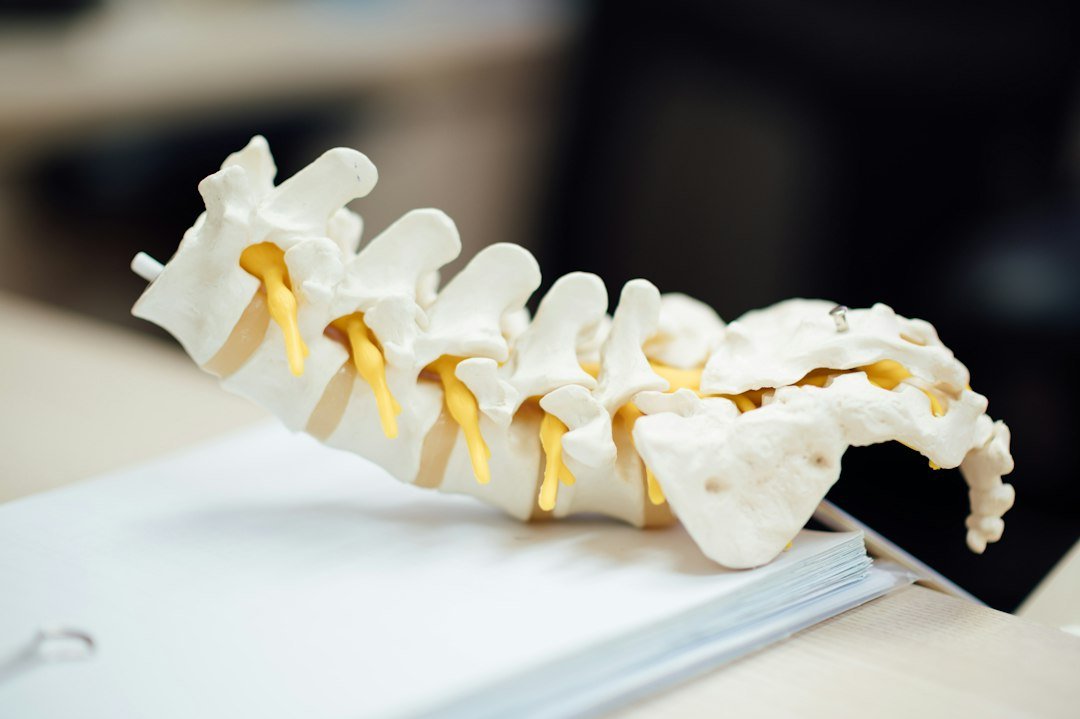
An epidural steroid injection places corticosteroid into the epidural space, the area just outside the protective membrane surrounding the spinal cord and nerve roots. This approach reduces inflammation around nerve roots compressed by a herniated disc or spinal canal narrowing. It is one of the most commonly performed spinal injections for radiating arm or leg pain.
A selective nerve root block targets one specific nerve root as it exits the spine through the foramen, a small bony opening. It can work diagnostically by confirming which root generates a patient’s pain, or therapeutically by delivering anti-inflammatory medication directly to that root. Unlike a broad epidural injection, the medication is concentrated at one nerve level rather than spread across a wider area of the epidural space.
A medial branch block targets the small nerve branches that carry pain signals away from the facet joints, the paired joints that connect adjacent vertebrae at the back of the spine. This procedure is primarily diagnostic. When a medial branch block produces temporary relief, it points toward the facet joints as the primary pain generator and may guide a decision about longer-lasting treatment such as radiofrequency ablation.
A joint injection places corticosteroid directly inside a joint cavity such as the knee, hip, or shoulder. Because the medication targets the joint space rather than a nearby nerve, a joint injection is a steroid injection but not a nerve block. CMS injection site guidance notes that evidence and clinical indications vary by anatomical location and the specific condition being treated.
A peripheral nerve block places local anesthetic, with or without corticosteroid, near a nerve in the arm, leg, shoulder, or foot. As noted in CMS peripheral injection coverage, peripheral nerve injections involve local anesthetic with or without corticosteroids and do not include unrelated substances such as vitamins, growth factors, or ozone.
Which Procedure May Help Back, Nerve, or Joint Pain?
Matching the injection type to the anatomy generating a patient’s pain is the most important principle in choosing between a nerve block and a steroid injection. Nerve-based pain calls for a nerve-targeted approach; inflammation inside a joint responds better to a direct corticosteroid injection into the joint space. Many cases involve more than one pain source, which is why a thorough clinical evaluation comes before any injection decision.
For radiating leg or arm pain caused by a compressed nerve root, with sciatica as the most familiar example, epidural steroid injections and selective nerve root blocks are the procedures most commonly used. Both deliver corticosteroid near the irritated nerve root to reduce inflammation. The choice between them typically depends on whether the provider needs to isolate one specific nerve level for diagnostic purposes or address broader nerve root irritation.
For facet-mediated back pain, the aching discomfort that tends to worsen when bending backward or rotating the spine, a medial branch block is typically the preferred first step. If a medial branch block produces temporary relief, the provider has clearer evidence that the facet joints are the primary pain source and may then discuss radiofrequency ablation as a longer-lasting option.
For arthritis or inflammatory pain inside a joint, such as the knee, hip, or shoulder, a direct corticosteroid injection into the joint space is the standard approach. Because the inflammation is within the joint cavity rather than along a nerve pathway, a nerve-targeted injection is not appropriate for this type of pain.
For localized peripheral nerve pain, such as discomfort from an irritated nerve near the elbow, hip, or foot, a peripheral nerve block places medication directly at the nerve to both relieve symptoms and help confirm the diagnosis. The AAOS OrthoInfo resource provides patient-friendly overviews of common orthopedic procedures, including injection-based treatments for limb and joint conditions.
Benefits, Duration, and What to Expect
Both nerve blocks and steroid injections can reduce pain enough to allow more active participation in physical therapy and daily activity. The local anesthetic portion acts within minutes but wears off within several hours; the corticosteroid portion builds over days and may last weeks to several months. Knowing that timing helps patients make active use of the relief window rather than waiting for the injection to do all the work.
The local anesthetic portion of a nerve block wears off within several hours. During that window, patients may notice unusual numbness or temporary weakness in muscles supplied by the targeted nerve; both are expected effects that resolve as the anesthetic clears from the body. Don’t drive, operate machinery, or make important decisions while sensation is reduced.
The corticosteroid portion, when included, takes longer to build. Many patients begin noticing improvement in the several days following the injection, and the benefit may continue for weeks or several months. The CMS corticosteroid evidence summary notes that for selected indications benefit can continue across several months before it fades, though individual outcomes vary and not every patient reaches the upper end of that range.
Repeated corticosteroid injections at the same site raise additional concerns. Clinical practice typically limits injection frequency because repeated steroid doses can gradually weaken nearby tendons and connective tissue. Patients managing diabetes should monitor blood glucose more closely after any corticosteroid injection, since steroids can cause a temporary rise in blood sugar that may persist for several days.
Most spinal injection procedures use image guidance to improve accuracy. Fluoroscopy, a continuous X-ray technique that produces live images, allows the provider to confirm needle position in real time during spinal procedures. Ultrasound guidance is commonly used for peripheral nerve and joint injections where direct visualization of soft tissue is helpful. Accurate placement increases the likelihood that the medication reaches its intended target and reduces the risk of accidental injection into a blood vessel or surrounding structure.
Questions to Ask Before Your Injection
The two most important questions to ask before any injection are: what medication is being injected, and at what exact anatomical location will the needle be placed. Knowing both before consenting means you understand what’s being proposed and can report the outcome accurately to guide any follow-up decisions.
- What medication is being injected, and at what dose? Ask whether the injection will contain local anesthetic only, corticosteroid only, or a combination of both. Confirm the drug name and concentration before proceeding.
- Where exactly will the needle be placed? Ask your provider to describe the anatomical target in plain language, for example “inside the knee joint” or “next to the fourth lumbar nerve root.”
- Is this procedure diagnostic, therapeutic, or both? Knowing the primary purpose helps you interpret results and avoids confusion when you feel temporary numbness but no lasting relief.
- Will image guidance be used? For any spinal procedure, ask whether fluoroscopy or ultrasound will be used to confirm needle placement during the injection.
- What restrictions apply in the first day or two? Ask specifically about driving, activity levels, lifting limits, bathing, and when you should call the office if something feels wrong.
- How does this injection fit into my broader treatment plan? Injections work best as one part of a strategy that also includes physical rehabilitation and, where possible, treatment of the underlying cause of your pain.
Your provider may also carry out a neurologic examination before the procedure to document baseline strength, sensation, and reflexes. MRI or CT imaging may be ordered if nerve compression hasn’t yet been confirmed. Those steps create a starting record so the effect of treatment can be measured over time.
When to See a Doctor
Contact your doctor within 24 to 48 hours if you notice:
- Redness, warmth, or swelling that spreads beyond the injection site
- Pain at the site that continues to increase rather than settle after the first day
- A firm lump or hardness forming under the skin at the injection point
- Blood glucose readings well above your usual range that do not return to normal within a day or two (for patients with diabetes)
Go to an emergency department right away if you develop:
- New or sudden weakness in an arm or leg following a spinal injection
- Loss of control over your bladder or bowel
- Numbness spreading through the inner thighs and groin area
- High fever combined with severe back pain or neck stiffness after any spinal procedure
- A sudden and severe headache beginning shortly after a spinal injection
These serious events are uncommon, but each requires prompt medical evaluation without delay.
Key Takeaways
- A nerve block names the anatomical target and the mechanism of pain interruption; a steroid injection names the anti-inflammatory drug being delivered. These two labels are not synonyms.
- One injection can satisfy both definitions simultaneously when a clinician combines local anesthetic and corticosteroid in a single dose aimed at a specific nerve.
- Diagnostic nerve blocks use a short-acting local anesthetic specifically to confirm which nerve is generating pain, with no expectation of long-term relief from that single use.
- When corticosteroid injections are effective, benefit may continue for weeks to several months depending on the condition treated and the individual patient response.
- Fluoroscopy and ultrasound guidance give providers real-time confirmation of needle position during spinal and peripheral nerve procedures, improving both safety and accuracy.
- A pain-reducing injection creates a therapeutic window. Engaging actively in physical rehabilitation during that window gives you the best chance of durable improvement.
Conclusion
A nerve block describes where and how an injection acts on pain signals; a steroid injection describes the anti-inflammatory medication it carries. These can be entirely separate procedures, such as a pure anesthetic diagnostic block versus a pure corticosteroid joint injection, or they can describe the same procedure when both medication types are combined in one syringe aimed at one nerve.
The practical approach before any injection is to ask two direct questions: what medication is going into the syringe, and where exactly will it be placed? A provider who answers both clearly gives you what you need to consent with confidence and track recovery accurately afterward.
Whether you’re being evaluated for an epidural steroid injection for sciatica, a medial branch block for facet pain, or a joint injection for arthritis, each procedure has a defined role within a broader care strategy. Use any window of pain relief an injection provides to engage fully in physical therapy and rehabilitation. If you notice any worrying signs after a procedure, the When to See a Doctor section above directs you to the right level of care. Ask the right questions going in and you and your specialist will have what you need to match the right approach to your condition.
Frequently Asked Questions
What is the key difference between a nerve block and a cortisone shot?
A nerve block and a cortisone shot are defined differently. A nerve block identifies the anatomical target and uses local anesthetic to stop pain signals from a specific nerve. A cortisone (corticosteroid) shot identifies the anti-inflammatory medication being delivered. The two procedures overlap when a corticosteroid is added to a nerve block, making a single injection qualify as both.
Does every nerve block contain a steroid?
No, not every nerve block contains a steroid. A nerve block may use only local anesthetic to confirm or temporarily relieve pain from a specific nerve. A corticosteroid is sometimes added when a longer anti-inflammatory effect is the goal, but it’s not a required component and many diagnostic blocks intentionally omit it.
Which injection is typically used for sciatica or radiating leg pain?
For radiating leg pain caused by a compressed spinal nerve root, epidural steroid injections and selective nerve root blocks are the two procedures most commonly used. Both place corticosteroid near the irritated nerve root, though they access slightly different anatomical spaces. The choice between them depends on whether the clinical goal is broad inflammation control or targeted single-nerve diagnosis.
How long do relief and numbness last after each procedure?
Local anesthetic effects from a nerve block commonly wear off within several hours of the injection. Corticosteroid effects build more gradually and may provide benefit over days, weeks, or several months. Individual responses vary considerably, and no guaranteed duration can be predicted for any single patient or condition.
What risks and warning signs should I watch for after a procedure?
Temporary numbness, minor bruising, and brief soreness at the injection site are common and expected after a nerve block or steroid injection. Patients should call their provider promptly if they notice spreading redness, a growing lump, or pain that worsens noticeably over the first few days. Signs that require emergency evaluation rather than a routine call are listed in the When to See a Doctor section of this article.
This article is for informational purposes only and does not replace professional medical advice. Always consult your doctor before starting any treatment.