Your Back Pain Relief Options Before Surgery
Quick Summary
- What to know: Most back pain (90%) resolves without surgery using conservative treatments.
- First steps: Physical therapy, medication, and lifestyle changes should be tried before considering surgery.
- Treatment options: 8 non-surgical alternatives ranging from exercise to advanced injections.
- Timeline: Most back pain improves within 4-6 weeks with proper non-surgical care.
- When to see a doctor: Persistent pain, weakness, numbness, or bladder/bowel changes require immediate attention.
Living with chronic back pain can be overwhelming, especially when you’re trying to avoid surgery. If your doctor has mentioned potential back surgery, you might be wondering what other options exist before taking that significant step. The good news is that there are many effective back surgery alternatives that can provide substantial relief. According to the American Academy of Orthopedic Surgeons (AAOS), approximately 90% of low back pain cases resolve without surgery within three months when proper non-surgical treatments are applied.
This comprehensive guide explores eight proven non-surgical options for back pain relief. We’ll examine everything from physical therapy and medication management to innovative treatments like regenerative injections and neuromodulation. Whether you’re dealing with herniated discs, spinal stenosis, or chronic lower back pain, understanding these alternatives can help you make informed decisions about your spine health. Remember, surgery should generally be considered only after conservative treatments have been thoroughly explored.
Why Consider Alternatives to Back Surgery First?
Back surgery, while sometimes necessary, comes with significant risks, recovery time, and no guarantee of complete pain relief. That’s why both the Mayo Clinic and the North American Spine Society recommend trying non-surgical approaches for at least 6 weeks before considering surgical intervention.
Several compelling reasons exist to explore non-surgical options first:
Lower risk profile: Non-surgical treatments avoid the inherent risks of surgery such as infection, bleeding, nerve damage, failed back surgery syndrome, and anesthesia complications.
Testing effectiveness: Conservative treatments often provide significant relief, making surgery unnecessary. According to the National Institute of Arthritis and Musculoskeletal and Skin Diseases, most back pain improves in 4-6 weeks with proper self-care and non-invasive treatments.
Diagnostic value: Your response to certain treatments (like specific injections or physical therapy) can help pinpoint the exact source of pain, which may lead to more targeted treatment if surgery eventually becomes necessary.
Insurance requirements: Most insurance companies require documentation that conservative treatments were tried before approving surgical procedures.
Cost considerations: The financial burden of non-surgical options is generally much lower than surgery. A single epidural steroid injection costs around $500-1,500, while spinal fusion surgery can exceed $100,000.
Tip: Keep a pain journal documenting your symptoms and response to different treatments to help your healthcare provider determine the most effective approach.
1. Physical Therapy and Targeted Exercises
Physical therapy stands as the cornerstone of non-surgical back pain treatment. The NIH research shows that physical therapy can reduce pain by up to 60% within six weeks for many patients with chronic back issues.
A comprehensive physical therapy program typically includes:
Core strengthening exercises: These target the abdominal and back muscles that support your spine. Strong core muscles help maintain proper alignment and reduce strain on your spine. Examples include planks, bird dogs, and gentle bridges.
Flexibility training: Stretching tight muscles, especially in the hamstrings, hip flexors, and lower back, can significantly reduce pain and improve mobility. The cat-cow yoga pose is particularly effective for gentle spine mobilization.
McKenzie method: This approach emphasizes extension exercises that help “centralize” pain (move it from the extremities toward the center of the back), which is often a sign of improvement.
Posture correction: A physical therapist can identify and correct postural habits that contribute to back pain, especially for those with desk jobs or sedentary lifestyles.
Aquatic therapy: Exercising in water reduces the impact on your spine while providing natural resistance, making it ideal for those with severe pain or obesity.
The effectiveness of physical therapy depends on consistency. Most programs require 2-3 sessions per week for 4-6 weeks, along with daily home exercises. Many patients notice improvement within 2-3 weeks if they adhere to their program.
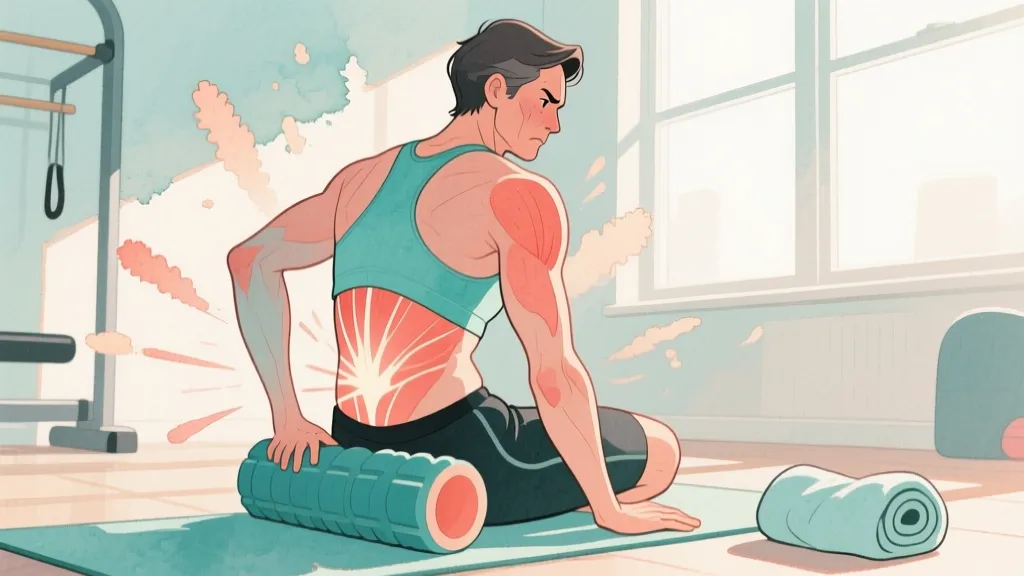
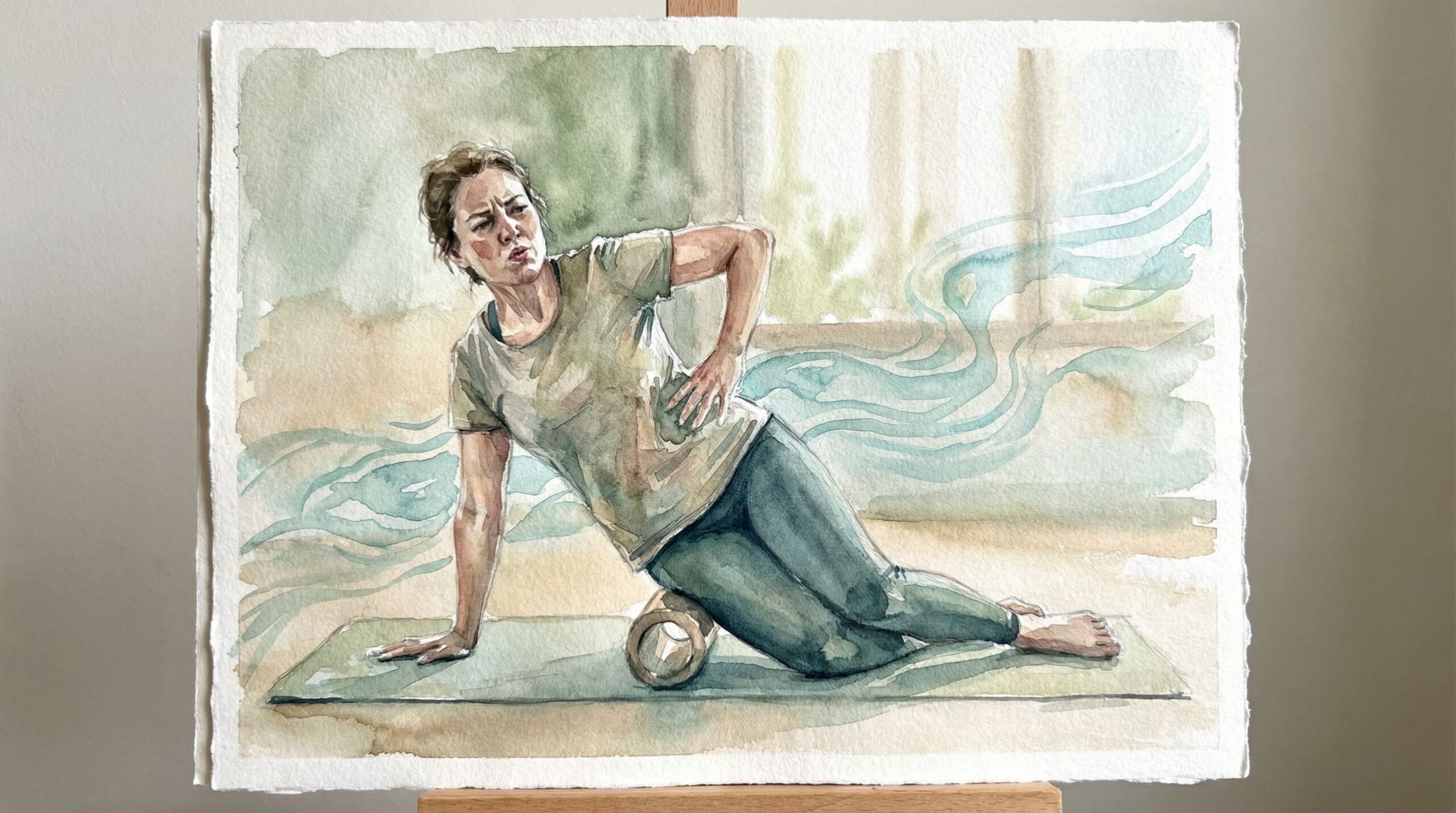
Tip: Foam rollers can provide gentle self-massage for tight back muscles between therapy sessions.
2. Medications and Anti-Inflammatory Approaches
Medication management represents an important component in treating back pain without surgery. The goal is to control pain enough to allow participation in rehabilitation and daily activities, while minimizing side effects and dependency risks.
Over-the-counter options:
– Acetaminophen (Tylenol): Helps with pain but not inflammation
– NSAIDs (ibuprofen, naproxen): Reduce both pain and inflammation
– Topical analgesics: Creams or patches containing menthol, capsaicin, or lidocaine can provide localized relief
Prescription medications:
– Muscle relaxants: Help relieve pain from muscle spasms or tightness
– Anti-inflammatory medications: Stronger prescription-strength options
– Short-term opioids: Used cautiously for severe, acute pain only
– Antidepressants: Certain types can help with chronic pain independent of their effect on mood
Beyond traditional medications, anti-inflammatory approaches include:
Anti-inflammatory diet: Research published in spine health journals suggests that dietary changes can lower pain markers by approximately 30%. Foods that fight inflammation include fatty fish (salmon, mackerel), colorful fruits and vegetables, nuts, olive oil, and turmeric. Meanwhile, processed foods, refined sugar, and excessive red meat may worsen inflammation.
Supplements: Some evidence supports the use of omega-3 fatty acids, turmeric/curcumin, and vitamin D for back pain management, though results vary by individual.
When using medications, remember they work best as part of a comprehensive treatment plan, not as the sole solution. Always consult your healthcare provider about potential drug interactions and proper dosing, especially if you have kidney, liver, or heart conditions.
3. Injections: Epidural and Steroid Options
When physical therapy and medications don’t provide sufficient relief, injection therapies offer the next level of intervention before considering surgery. These treatments deliver anti-inflammatory and pain-relieving medications directly to the source of pain.
Epidural steroid injections (ESIs): These injections deliver potent anti-inflammatory medication into the epidural space surrounding the spinal cord. They’re particularly effective for pain caused by nerve compression, such as from herniated discs or spinal stenosis. AAOS reports that approximately 50% of patients experience significant relief lasting from weeks to months. Most insurance plans cover these injections when medically necessary.
Facet joint injections: These target the small joints on the back portion of the spine that can become painful due to arthritis or injury. The injection includes both a numbing agent and a steroid. If a diagnostic facet injection provides temporary relief, you might be a candidate for radiofrequency ablation (RFA), which can provide longer-lasting relief by disrupting pain signals.
Sacroiliac (SI) joint injections: For those with pain stemming from the SI joint (where the spine meets the pelvis), these injections can both diagnose and treat the problem. Studies show about 40-60% of patients experience meaningful relief.
Trigger point injections: These target painful knots in muscles that refer pain to other areas. They’re useful for myofascial pain that contributes to back discomfort.
Most injection procedures take 15-30 minutes and are performed on an outpatient basis. While generally safe, they do carry small risks including infection, bleeding, and temporary pain flare-ups. Most insurance plans cover medically necessary injections, though coverage for newer injection types may vary.
The timing and number of injections matter. Cleveland Clinic guidelines typically limit steroid injections to three or four per year to avoid side effects from cumulative steroid exposure.
4. Alternative Therapies: Acupuncture and Chiropractic
Alternative and complementary therapies have gained significant recognition for back pain management. These approaches can be particularly valuable when used alongside conventional treatments.
Acupuncture: This ancient Chinese practice involves inserting thin needles into specific points on the body. According to Cleveland Clinic data, acupuncture provides relief for 50-70% of patients with chronic back pain. The mechanism appears to involve stimulating the body’s natural pain-relieving chemicals and blocking pain signals. A typical treatment course involves 6-12 weekly sessions. While once considered “alternative,” many insurance plans now offer at least partial coverage for acupuncture when prescribed for back pain.
Chiropractic care: Spinal manipulation performed by licensed chiropractors can help realign the spine and improve function. It’s particularly effective for certain types of lower back pain, especially those related to biomechanical issues. Treatment plans typically involve multiple sessions over several weeks, often with gradually decreasing frequency as improvement occurs. Many chiropractors also incorporate exercise recommendations and ergonomic advice.
Massage therapy: Beyond simple relaxation, therapeutic massage can target specific muscle groups that contribute to back pain. Deep tissue massage and myofascial release techniques help break down adhesions and improve circulation to damaged tissues. Research suggests regular massage (twice weekly for 4-6 weeks) provides measurable improvements in pain and function for many back pain sufferers.
Mindfulness and meditation: Chronic pain has both physical and psychological components. Mindfulness-based stress reduction (MBSR) programs have shown effectiveness in helping patients manage pain perception and reduce the emotional distress associated with chronic pain. These techniques dont directly eliminate the source of pain but can significantly improve quality of life and coping ability.
When exploring alternative therapies, it’s important to:
– Inform all your healthcare providers about every treatment you’re receiving
– Choose licensed, credentialed practitioners
– Set realistic expectations about timeframes for improvement
– Understand that results vary considerably among individuals
Tip: Ask potential alternative practitioners about their specific experience treating your type of back problem before beginning treatment.
5. Lifestyle Changes: Diet, Posture, and Heat/Cold
Daily habits and lifestyle factors significantly impact back pain. Sometimes, simple modifications can produce substantial improvements without medical intervention.
Weight management: Excess body weight, especially around the midsection, places additional strain on the spine. Even modest weight loss (5-10% of body weight) can reduce pressure on the spine and decrease pain. A combination of dietary changes and appropriate exercise provides the best approach.
Ergonomic improvements: How you sit, stand, and move throughout the day affects spinal health. Consider these adjustments:
– Office chair with proper lumbar support
– Standing desk options (alternating between sitting and standing)
– Computer monitors at eye level
– Phone headsets instead of cradling phones with your neck
– Proper lifting technique: bend at the knees, not the waist
Sleep position and mattress: The right mattress can make a significant difference. Medium-firm mattresses generally provide the best support for back pain sufferers. Side sleepers should consider placing a pillow between their knees, while back sleepers might benefit from a pillow under their knees to maintain proper spinal alignment. Stomach sleeping generally puts stress on the spine and should be avoided.
Heat and cold therapy: These simple home treatments can provide significant relief:
– Cold therapy (15-20 minutes): Reduces inflammation and numbs pain, especially helpful during acute flare-ups
– Heat therapy (15-20 minutes): Relaxes muscles and increases blood flow, particularly beneficial for stiffness and chronic pain
– Alternating heat and cold can be particularly effective for some conditions
Stress management: Psychological stress causes muscle tension, which can worsen back pain. NIH studies show that stress reduction techniques can improve pain outcomes. Effective approaches include deep breathing exercises, progressive muscle relaxation, guided imagery, and gentle yoga.
By incorporating these lifestyle modifications alongside other non-surgical treatments, many patients experience significant improvement in their back pain without resorting to surgery. These changes also provide long-term benefits beyond pain relief, including improved overall health and prevention of future back problems.
6. Advanced Non-Surgical Treatments
For those who don’t respond adequately to conventional non-surgical approaches, several advanced options exist before making the leap to surgery.
Spinal cord stimulation (SCS): This neuromodulation therapy involves implanting small electrodes near the spinal cord. These electrodes deliver mild electrical impulses that interrupt pain signals before they reach the brain. Modern SCS systems are MRI-compatible and often include a trial period before permanent implantation. According to recent studies, about 60% of properly selected patients experience at least 50% pain reduction with SCS.
Regenerative injections: These newer approaches aim to heal damaged tissue rather than simply mask pain:
– Platelet-Rich Plasma (PRP): Created from the patient’s own blood, PRP contains growth factors that may promote healing. It’s injected directly into damaged discs or joints.
– Stem Cell Therapy: Uses cells harvested from bone marrow or fat tissue to potentially regenerate damaged tissue. While promising, research remains ongoing.
– Prolotherapy: Involves injecting an irritant solution to stimulate a healing response in damaged ligaments or tendons.
Radiofrequency ablation (RFA): This procedure uses heat generated by radio waves to damage specific nerves that carry pain signals. When successful, RFA can provide relief lasting 6-12 months or longer. It’s particularly effective for facet joint pain that responded well to diagnostic blocks.
Intradiscal electrothermal therapy (IDET): For certain types of disc-related pain, this procedure delivers controlled heat to the affected disc through a needle, potentially strengthening collagen fibers and sealing small tears. Success rates vary widely, and careful patient selection is essential.
Percutaneous disc decompression: Several minimally invasive techniques can relieve pressure from herniated discs without open surgery. These procedures remove small amounts of disc material through needle-based approaches, often under local anesthesia.
Most of these advanced options require specialized referrals and may not be covered by all insurance plans. They generally fall between traditional non-surgical treatments and major surgery in terms of invasiveness, recovery time, and cost. A comprehensive review of these technologies shows varying success rates, emphasizing the importance of proper patient selection.
When to See an Orthopedic Specialist
See a doctor soon if:
- Back pain persists beyond 6 weeks despite conservative treatment
- Pain gradually worsens rather than improves over time
- Pain significantly limits your daily activities or disturbs sleep
- You experience mild numbness or tingling in your legs
- Pain returns repeatedly after initial improvement
Seek emergency care immediately if:
- You experience sudden, severe back pain with no apparent cause
- Back pain follows a fall or injury
- You have significant leg weakness or numbness
- You experience loss of bladder or bowel control
- You develop fever along with back pain
While most back pain can be managed with non-surgical approaches, certain situations warrant specialist evaluation. An orthopedic spine specialist or neurosurgeon can provide expert assessment when:
Conservative treatments have failed: If you’ve diligently tried physical therapy, medications, and injections for at least 6 weeks without meaningful improvement, a specialist can evaluate whether more advanced options or surgery might be appropriate.
Imaging reveals specific structural problems: Conditions like severe disc herniation, significant spinal stenosis, or spinal instability may benefit from specialist evaluation, even if symptoms are currently manageable.
You have “red flag” symptoms: Progressive neurological deficits (weakness, numbness), bowel/bladder issues, or severe pain unresponsive to any intervention require prompt specialist assessment.
You’re considering advanced non-surgical treatments: Options like spinal cord stimulation or regenerative injections typically require specialist referral and evaluation.
During a specialist consultation, be prepared to discuss:
– Your complete pain history
– Previous treatments and their effectiveness
– How pain impacts your daily functioning
– Your goals for treatment
– Any concerns about potential treatments
Remember that consulting a specialist doesn’t automatically mean surgery is needed. Many spine specialists offer comprehensive non-surgical management and can provide valuable second opinions on your treatment plan.
Comparison of 8 Non-Surgical Options
When evaluating back surgery alternatives, consider how each option compares in terms of effectiveness, cost, and commitment required:
| Treatment | Effectiveness | Time Commitment | Cost Range | Insurance Coverage |
|---|---|---|---|---|
| Physical Therapy | High (60-70% improvement) | 8-12 weeks, 2-3x weekly | $75-150 per session | Usually covered |
| Medication | Moderate (symptom management) | Ongoing as needed | $10-200+ monthly | Usually covered |
| Epidural Injections | Moderate (50% significant relief) | 30 min procedure, relief for weeks to months | $500-2,000 per injection | Usually covered |
| Acupuncture | Moderate (50-70% improvement) | 6-12 weekly sessions | $50-150 per session | Partial coverage common |
| Chiropractic | Moderate (40-60% improvement) | 8-12 weeks, decreasing frequency | $60-120 per session | Partial coverage common |
| Lifestyle Changes | Variable but sustainable | Ongoing commitment | Minimal direct costs | Programs sometimes covered |
| Regenerative Injections | Variable (40-60% improvement) | 1-3 procedures, results develop over months | $1,000-5,000 per treatment | Limited coverage |
| Spinal Cord Stimulation | High for selected patients (60%+) | Trial period + implantation | $25,000-50,000 total | Usually covered if criteria met |
The most effective approach often combines multiple treatments rather than relying on a single method. For example, physical therapy combined with appropriate medication and lifestyle changes provides better outcomes than any one treatment alone.
Key Takeaways
- Try conservative treatments for at least 6 weeks before considering surgery, as 90% of back pain improves without surgical intervention.
- Physical therapy forms the foundation of non-surgical back treatment, with 60-70% of patients experiencing significant improvement within 8-12 weeks.
- Combine approaches for best results: appropriate exercise, medication, injections, and lifestyle modifications work better together than separately.
- Advanced non-surgical options like spinal cord stimulation can help bridge the gap when conventional approaches fail but surgery seems too extreme.
- Consult a specialist if pain persists beyond 6 weeks of proper treatment or if you develop concerning neurological symptoms.
Conclusion
Back surgery, while sometimes necessary, should generally be considered only after exploring non-surgical alternatives. The good news is that approximately 90% of back pain cases resolve without surgical intervention when appropriate non-surgical approaches are consistently applied. The eight alternatives discussed in this guide provide a comprehensive roadmap for managing back pain while potentially avoiding surgery.
Begin with the least invasive options: physical therapy, lifestyle modifications, and appropriate medication use. If these provide insufficient relief, consider injections and alternative therapies like acupuncture or chiropractic care. For persistent pain that doesn’t respond to these approaches, advanced non-surgical treatments such as spinal cord stimulation or regenerative therapies might bridge the gap before surgery becomes necessary.
Remember that successful back pain management often requires patience and a willingness to try multiple approaches. What works best varies greatly among individuals, and finding your optimal treatment combination may take time. Work closely with healthcare providers who listen to your concerns and adjust treatment plans based on your response.
Above all, stay engaged in your care. Track your symptoms, follow through with recommended treatments, and maintain open communication with your healthcare team. With persistence and proper care, many people with back pain find significant relief without resorting to surgery, returning to the activities they enjoy with improved quality of life.
Frequently Asked Questions
What are the best non-surgical alternatives to back surgery?
The most effective non-surgical alternatives include physical therapy, epidural steroid injections, medication management, acupuncture, and lifestyle modifications. For advanced cases, spinal cord stimulation and regenerative injections may provide relief before considering surgery.
How effective is physical therapy for chronic back pain?
Physical therapy reduces pain by up to 60% within six weeks for many patients with chronic back issues. A comprehensive program includes core strengthening, flexibility training, posture correction, and specific exercises tailored to your condition.
When is back surgery necessary after trying alternatives?
Surgery becomes necessary when you have progressive neurological deficits (significant weakness or numbness), bowel/bladder dysfunction, or severe pain that persists despite 6+ weeks of proper non-surgical treatment across multiple approaches.
What injections can replace back surgery for pain relief?
Epidural steroid injections, facet joint injections, sacroiliac joint injections, and newer regenerative options like platelet-rich plasma (PRP) can provide significant relief. About 50% of patients experience meaningful improvement with properly administered injections.
How can I avoid back surgery with home exercises?
Consistent practice of therapist-prescribed exercises is crucial. Focus on core strengthening (planks, bridges), gentle stretching (cat-cow pose), proper posture maintenance, and low-impact aerobic activity. Always begin with professional guidance to ensure proper form.
This article is for informational purposes only and does not replace professional medical advice. Always consult your doctor before starting any treatment.