
Quick Summary
- What it is: Lower back pain is discomfort or soreness below the ribcage and above the legs, usually caused by muscle strain, poor posture, or wear on spinal structures.
- Main symptoms: Aching, stiffness, sharp pain, or discomfort that gets worse with certain movements or sitting for long periods.
- Treatment: Most cases improve with rest, gentle exercise, heat therapy, and activity modification without needing surgery.
- Recovery: Acute pain typically improves within 2 to 6 weeks with proper self-care and conservative treatment.
- When to see a doctor: Contact your healthcare provider if pain persists beyond 2 weeks, or immediately if you experience numbness, loss of function, or severe trauma.
Lower back pain affects millions of people across all age groups, making it one of the most common reasons people visit their doctors or miss work. If you are experiencing lower back pain, you are not alone. Research shows that about 80 percent of adults will experience lower back pain at some point in their lives. This article provides a comprehensive guide to understanding the causes, recognizing warning signs, and exploring proven treatment options that can help you feel better and get back to your daily activities. The good news is that most cases of lower back pain improve significantly with conservative home care and do not require surgery. This guide will walk you through what causes lower back pain, how doctors diagnose it, and practical steps you can take right now to find relief and prevent future episodes.
What Is Lower Back Pain? An Orthopedic Overview
Lower back pain refers to discomfort or soreness in the area below your ribcage and above your legs. Your lower back, also called the lumbar region, contains five bones called vertebrae (the building blocks of your spine). Between these bones sit cushioning discs that absorb shock and allow movement. Your lower back also contains muscles, ligaments (tough bands connecting bones), and nerves.
Pain in this region can originate from any of these structures. Orthopedic specialists categorize lower back pain as either acute or chronic. Acute pain develops suddenly and usually lasts days to weeks. Chronic lower back pain persists for 12 weeks or longer, even after the original injury has healed.
Most lower back pain is mechanical in nature. This means the pain comes from strain on muscles, ligaments, discs, or the small joints in your spine. Mechanical pain often feels like aching, stiffness, or sharp discomfort that changes with position or activity. The good news is that mechanical lower back pain usually responds well to conservative treatment without requiring imaging or advanced procedures.
Patient Tip: Most episodes of mechanical lower back pain improve on their own within a few weeks when you stay active and avoid prolonged bed rest.
Common Causes of Lower Back Pain in Adults 30-65
Understanding what triggers your lower back pain is the first step toward managing it effectively. Multiple factors can contribute to lower back pain, and often several work together to create discomfort.
Muscle and Ligament Strain
The most common cause of acute lower back pain is a muscle or ligament strain. This happens when you overstretch or tear these tissues. Strains often occur from lifting heavy objects incorrectly, sudden awkward movements, or repetitive activities done with poor form. You might feel sudden sharp pain or gradual aching that develops over hours.
Degenerative Disc Disease
As we age, the discs in our spine naturally lose water content and become less flexible. This process is called degenerative disc disease, and it is a normal part of aging rather than a true disease. The affected disc may bulge or herniate (break open), putting pressure on nearby nerves. This condition becomes more common after age 50 but can start earlier if you have had previous spine injuries or heavy physical jobs.
Facet Joint Arthritis
Small joints on the back of your vertebrae are called facet joints. These joints can develop arthritis similar to arthritis in your knees or hips. Facet joint arthritis often causes pain that radiates to the buttocks or thighs and typically feels worse when you extend (arch) your back or stand for long periods.
Poor Posture and Ergonomics
Sitting at a desk for hours with rounded shoulders, slouching while standing, or looking down at your phone strains your lower back. Over time, poor posture places extra pressure on discs and stresses muscles and ligaments. Many people with office jobs develop this problem after years of ergonomic strain.
Other Contributing Factors
Risk factors that increase your likelihood of lower back pain include excess body weight, smoking, physical inactivity, and psychological stress. Certain medical conditions like arthritis also raise your risk. Age itself is a factor, as changes in spine structures become more common after 40. However, younger people can experience lower back pain too, particularly if they engage in heavy labor or sports.
Patient Tip: You can alot improve your back health by improving your posture at work and taking regular movement breaks every 30 minutes.
Symptoms, Red Flags, and When to See an Orthopedic Doctor
Lower back pain presents differently for each person. Recognizing your specific symptoms and knowing when professional care is needed will help you respond appropriately.
Common Symptoms
Most people with lower back pain experience aching or stiffness in the low back region. Pain may be sharp or dull, constant or intermittent. You might notice that certain movements worsen pain, such as bending forward, lifting, or twisting. Some people feel pain that radiates down one leg, a condition sometimes called sciatica (compression of the sciatic nerve). Pain often worsens after sitting too long or standing in one position.
Red Flags That Require Urgent Evaluation
While most lower back pain is not serious, certain warning signs require prompt medical attention. Seek care immediately if you experience numbness in your genital area or buttocks, loss of bowel or bladder control, severe pain that does not improve with rest, progressive weakness in your legs, or pain following significant trauma like a fall or car accident.
Additional red flags include unexplained weight loss, fever with back pain, a history of cancer, or pain that keeps you awake at night. These symptoms may indicate serious conditions like infection, cancer, or cauda equina syndrome (a surgical emergency). Contact your doctor as soon as possible if you have any of these warning signs.
When to See a Doctor
See a Doctor Soon If:
- Pain persists beyond 2 weeks despite home care
- Pain radiates down your leg below the knee
- Pain is severe and significantly limits daily activities
- You have had previous episodes and want prevention guidance
- Pain affects your sleep or quality of life
Seek Emergency Care If:
- Numbness or tingling in your genital area or buttocks
- Loss of bladder or bowel control
- Severe weakness or inability to move your legs
- Back pain after significant trauma or injury
- Fever combined with severe back pain
- Unexplained weight loss with back pain
How Lower Back Pain Is Diagnosed and Why Imaging Isn’t Always Needed
Your doctor will start by asking detailed questions about your pain. When did it start? What makes it better or worse? What activities were you doing when pain began? Your doctor will also review your medical history and any previous spine problems.
Physical Examination
The physical exam is crucial for diagnosis. Your doctor will test your range of motion, check for muscle weakness, and assess your reflexes. Special tests like straight leg raises help determine if nerves are involved. Your doctor may also palpate (feel) your spine to identify areas of tenderness or misalignment.
When Imaging Is Recommended
For most people with acute lower back pain, imaging tests like X-rays or MRI scans are not necessary. Research shows that routine imaging does not improve treatment outcomes for nonspecific mechanical lower back pain. However, your doctor may order imaging if you have red flag symptoms, significant trauma, or pain lasting beyond 4 to 6 weeks. The National Institute of Neurological Disorders and Stroke notes that imaging is most useful when specific structural problems or nerve involvement are suspected.
Imaging Options
X-rays show bone structures and can reveal arthritis, fractures, or alignment problems. MRI creates detailed images of soft tissues including discs, nerves, and muscles. CT scans provide detailed cross-sectional images and are useful for complex cases. Your doctor will recommend the appropriate imaging if necessary based on your examination findings and symptoms.
Patient Tip: Do not be concerned if your doctor does not order imaging immediately. For most lower back pain, physical examination findings guide treatment better than imaging results.
Non-Surgical Treatment Options and Home Care Strategies
The majority of lower back pain cases improve with conservative treatment. Research from the Mayo Clinic confirms that most acute episodes improve significantly within a few days to weeks when you follow appropriate home care strategies.
Rest and Activity Modification
Contrary to old advice, complete bed rest is not recommended for lower back pain. Instead, continue normal activities as tolerated. Avoid activities that sharply worsen pain, but gentle movement helps maintain flexibility and promotes healing. Resume daily activities gradually as pain decreases.
Heat and Cold Therapy
Heat therapy reduces muscle tension and improves blood flow. Apply a heating pad to your lower back for 15 to 20 minutes several times daily. Cold therapy decreases inflammation and numbs sharp pain. Ice packs work best during the first 48 hours after injury. Alternate between heat and cold to find what works best for your situation.
Over-the-Counter Medications
Nonsteroidal anti-inflammatory drugs (NSAIDs) like ibuprofen or naproxen reduce inflammation and pain. Acetaminophen provides pain relief without reducing inflammation. Take these medications only as directed on the package, and discuss with your doctor if you have other health conditions or take other medications. Some people find that alternating NSAID and acetaminophen provides better relief than using one medication alone.
Physical Therapy and Exercise
Physical therapy is a cornerstone of lower back pain treatment. A physical therapist teaches you exercises that strengthen core muscles, improve flexibility, and correct poor movement patterns. The American Academy of Orthopaedic Surgeons emphasizes that exercise therapy is strongly supported for managing persistent lower back pain. Most people benefit from 4 to 8 weeks of consistent physical therapy.
Lumbar Support and Bracing
Lumbar support belts or braces can provide short-term relief during acute pain episodes. These devices reduce motion and provide stability during healing. However, prolonged use may weaken core muscles, so braces are best used temporarily. Johns Hopkins Medicine recommends bracing primarily during acute phases and combined with exercise therapy.
Manual Therapy and Massage
Spinal manipulation, performed by chiropractors or physical therapists, may provide short-term pain relief for some people. Therapeutic massage reduces muscle tension and improves circulation. These treatments work best when combined with exercise and activity modification rather than used alone.
Injections and Advanced Treatments
For pain that does not respond to conservative treatment, your doctor may recommend epidural steroid injections. These deliver medication near the nerve roots to reduce inflammation. Facet joint injections target arthritis in the small spine joints. These treatments are typically considered after 4 to 6 weeks of conservative care and may provide relief lasting weeks to months.
Patient Tip: Most people find that combining several approaches like heat therapy, exercise, and activity modification works better than any single treatment alone.
Best Exercises and Stretches for Lower Back Pain Relief
Exercise is one of the most effective treatments for lower back pain. These movements strengthen your core muscles, which support your spine and reduce strain on discs and joints. Start slowly and increase intensity gradually. Stop any exercise that causes sharp pain, though mild discomfort is normal when working tight muscles.
Core Strengthening Exercises
Pelvic tilts are simple movements that engage your core. Lie on your back with knees bent and feet flat. Tighten your abdominal muscles and press your lower back into the floor for 5 seconds, then relax. Repeat 10 to 15 times. Do this exercise 2 to 3 times daily.
Bridges strengthen your gluteal muscles and lower back. Lie on your back with knees bent. Push through your heels and lift your hips toward the ceiling until your body forms a straight line from knees to shoulders. Hold for 3 seconds and lower slowly. Repeat 10 to 15 times.
Bird dogs build stability and coordination. Start on hands and knees. Straighten your right arm forward while extending your left leg backward. Hold for 5 seconds and return to starting position. Alternate sides for 10 to 15 repetitions on each side.
Planks engage multiple core muscles. Start in a forearm plank position with elbows under your shoulders. Keep your body straight from head to heels. Hold for 15 to 30 seconds initially, gradually increasing duration. Rest and repeat 3 times.
Stretching Exercises
Hamstring stretches reduce tension on your lower back. Lie on your back and pull one knee toward your chest while keeping the other leg straight. Hold for 30 seconds and repeat on the other side. Perform this stretch 2 to 3 times on each side.
Hip flexor stretches address muscles that tighten from sitting. Kneel on one knee with the other foot forward, as if in a lunge position. Gently push your hips forward until you feel a stretch in the hip of the back leg. Hold for 30 seconds and switch sides.
Glute stretches release buttock muscles. Lie on your back and pull one knee across your body toward the opposite shoulder. Hold for 30 seconds and repeat on the other side.
Exercise Guidelines
Perform these exercises 3 to 5 days per week for best results. Start with one set of each and progress to 2 to 3 sets as you build strength. Consistency matters more than intensity. Most people notice improvement within 2 to 4 weeks of regular exercise. If pain worsens or does not improve after 4 to 6 weeks of self-directed exercise, ask your doctor about working with a physical therapist for personalized instruction.
Patient Tip: Perform stretches after your muscles are warm, such as after a short walk or warm shower, to reduce injury risk and improve effectiveness.
Preventing Future Flare-Ups: Posture, Ergonomics, and Lifestyle Changes
Once you recover from lower back pain, prevention strategies help you avoid future episodes. Many people experience recurrent pain, but the right habits significantly reduce your risk.
Improving Your Posture
Good posture reduces strain on your spine throughout the day. When standing, keep your shoulders back and down, chest forward, and spine neutral. Your ears should align with your shoulders, shoulders with hips, and hips with ankles. When sitting, keep your feet flat on the floor and your back supported by your chair. Avoid slouching and rounded shoulders.
Optimizing Your Workspace
If you sit at a desk for work, proper ergonomics are essential. Position your monitor at eye level about arm’s length away. Your elbows should bend at 90 degrees when typing. Use a chair that supports your lower back curve, or add a small lumbar cushion if needed. The CDC notes that workplace ergonomics and regular movement breaks significantly reduce work-related back pain. Stand and move every 30 to 45 minutes. Consider using a standing desk converter that allows you to alternate between sitting and standing throughout your day.
Lifting and Carrying Safety
When lifting objects, bend at your hips and knees, not your back. Keep the object close to your body. Avoid twisting while holding weight. If something is too heavy, ask for help or use equipment like a dolly. When carrying groceries or bags, distribute weight evenly between both arms.
Weight Management
Excess body weight places additional stress on your spine, discs, and joints. Maintaining a healthy weight through balanced nutrition and regular physical activity reduces strain on your lower back. Even a 10 percent reduction in body weight can meaningfully decrease pain for many people.
Smoking Cessation
Smoking reduces blood flow to spinal discs, slowing healing and accelerating degeneration. Smokers experience more frequent and severe back pain episodes. Quitting smoking improves disc health and reduces your overall pain severity.
Sleep and Stress Management
Poor sleep increases pain perception and slows healing. Sleep on your side with a pillow supporting your head and another between your knees. If you sleep on your back, place a pillow under your knees. Psychological stress increases muscle tension and pain sensitivity. Stress management through exercise, meditation, or counseling helps reduce lower back pain.
Patient Tip: Regular physical activity like walking, swimming, or cycling strengthens your back and reduces your risk of future episodes more effectively than any single treatment.
Key Takeaways
- Lower back pain is common but manageable: About 80 percent of adults experience it, and most improve within 2 to 6 weeks with conservative care.
- Conservative treatment works for the majority: Rest, exercise, heat therapy, and activity modification resolve most cases without surgery or advanced interventions.
- Core strengthening is essential: Consistent exercises like planks, bridges, and bird dogs reduce pain and prevent recurrence.
- Ergonomics and posture matter: Proper desk setup, standing breaks, and good posture prevent many work-related episodes.
- Imaging is not always necessary: Physical examination guides treatment better than X-rays or MRI scans for most mechanical lower back pain cases.
- Prevention is more effective than treatment: Weight management, regular exercise, smoking cessation, and stress management significantly reduce your risk of chronic pain.
- Know when to seek professional help: Contact your doctor if pain persists beyond 2 weeks or if you develop warning signs like leg weakness or numbness.
Conclusion
Lower back pain affects millions of people, but the good news is that most cases improve significantly with proper home care and conservative treatment. Understanding what causes your pain is the first step toward managing it effectively. Whether your pain stems from muscle strain, poor posture at work, or age-related changes in your spine, proven strategies like exercise, activity modification, and heat therapy can help you find relief.
Remember that acute lower back pain episodes typically improve within a few weeks when you stay active and follow evidence-based treatment approaches. Chronic pain lasting beyond 12 weeks requires more comprehensive management, but even long-term pain often improves with consistent exercise and lifestyle modifications. The key is to avoid prolonged bed rest, gradually resume normal activities as pain decreases, and address ergonomic factors in your daily life.
If you are experiencing lower back pain, start with home care strategies discussed in this guide. Apply heat or cold therapy, perform gentle stretches and strengthening exercises, and optimize your posture and workspace. Most importantly, stay active and avoid movements that sharply worsen pain. Contact your doctor if pain persists beyond two weeks, if you develop warning signs like leg weakness or numbness, or if pain significantly interferes with your daily life. Your healthcare provider can perform a proper evaluation, order imaging if necessary, and recommend additional treatments like physical therapy or injections if needed. With patience, consistency, and proper guidance, most people successfully manage lower back pain and return to their normal activities. You dont have to accept chronic back pain as inevitable. Take action today by implementing these evidence-based strategies for prevention and recovery.
Medical Disclaimer
This article is for informational purposes only and should not replace professional medical advice. Always consult with a qualified healthcare provider before starting any treatment, exercise program, or if you have concerns about your condition. If you experience severe pain, numbness, or loss of function, seek immediate medical attention.
Frequently Asked Questions
What is the most common cause of lower back pain?
Muscle and ligament strain is the most common cause of acute lower back pain. This typically results from lifting incorrectly, sudden awkward movements, or repetitive activities. Degenerative disc disease and facet joint arthritis become more common causes as people age.
How do you know if lower back pain is serious?
Most lower back pain is not serious, but certain red flags warrant immediate attention. Seek emergency care if you experience numbness in your genital area or buttocks, loss of bowel or bladder control, severe weakness in your legs, pain after significant trauma, or unexplained weight loss with back pain.
How long does lower back pain usually last before it becomes chronic?
Acute lower back pain typically improves within two to six weeks with proper home care. Chronic lower back pain is defined as pain lasting twelve weeks or longer, even after the initial injury. The progression from acute to chronic varies greatly between individuals based on treatment adherence and other factors.
What are the best exercises for chronic lower back pain relief?
Core strengthening exercises like pelvic tilts, bridges, bird dogs, and planks are most effective for chronic lower back pain. Combine these with flexibility exercises like hamstring and hip flexor stretches. Perform these exercises three to five times weekly consistently for four to six weeks to see meaningful improvement.
How can I relieve lower back pain at home without medication?
Effective non-medication approaches include applying heat or cold therapy for fifteen to twenty minutes, performing gentle stretches and strengthening exercises, improving your posture and workspace ergonomics, maintaining regular activity, and getting adequate sleep. Massage and manual therapy can also provide relief when combined with exercise.
%%%%JSON_METADATA%%%%
{
“title”: “Lower Back Pain: Understanding Causes, Treatment, and Relief Strategies”,
“wordpress_tags”: “lower back pain, back pain relief, lower back pain treatment, back pain exercises, chronic back pain”,
“Focus Keyphrase”: “lower back pain”,
“category_id”: 6,
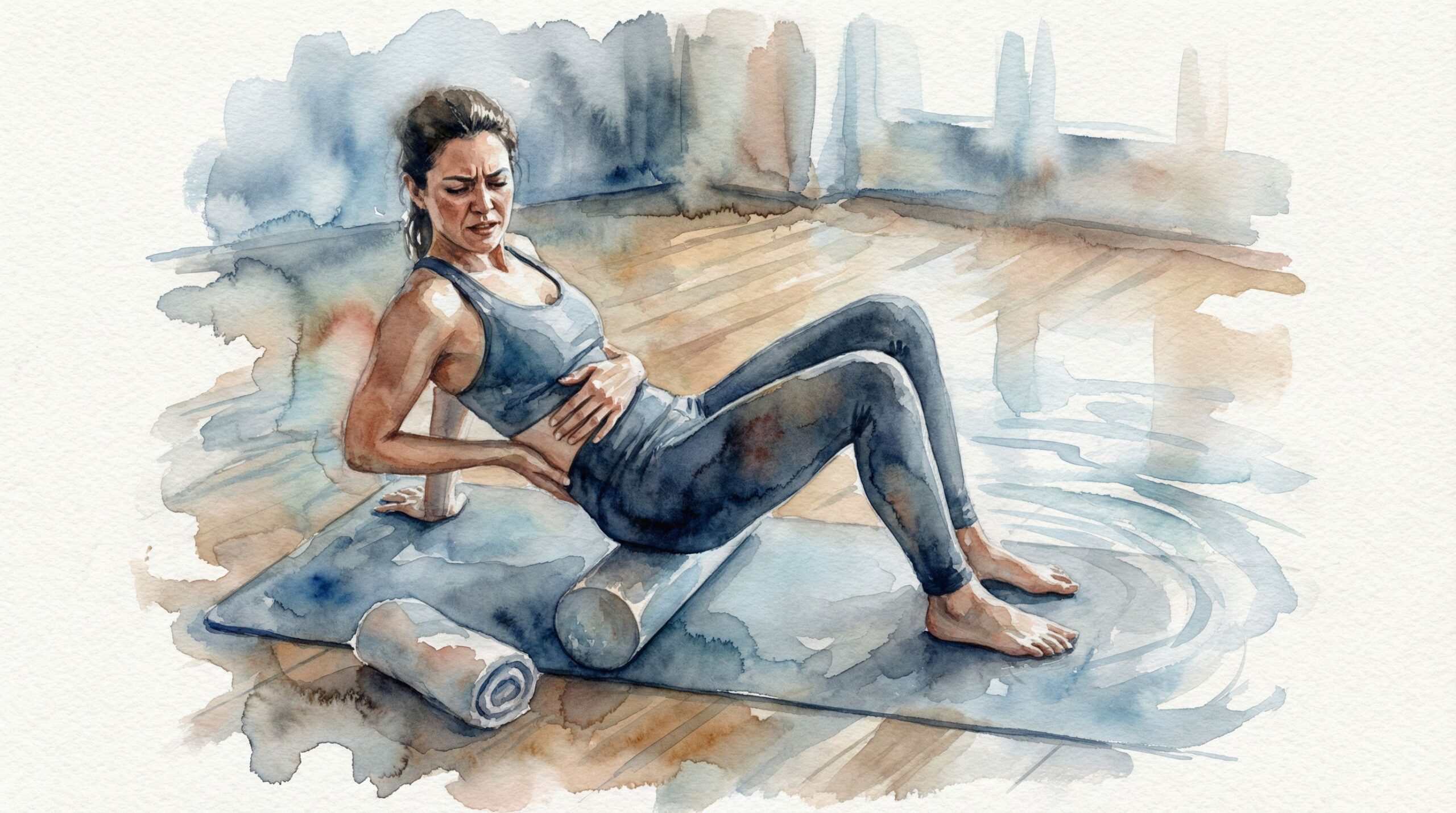
“image_alt”: “Illustration showing lower back pain anatomy highlighting spine structure and common pain areas in the lumbar region”,
“meta_description”: “Complete guide to lower back pain causes, symptoms, and treatment options. Learn effective relief strategies and when to see a doctor.”,
“url_slug”: “lower-back-pain-complete-guide”
}