

Quick Summary
- Most patients wear a shoulder sling for 4 to 6 weeks after rotator cuff repair to protect the healing tendon.
- Physical therapy typically begins within the first 1 to 2 weeks and continues for 3 to 4 months or longer.
- Driving and light desk work are usually possible around 4 to 6 weeks after surgery.
- Full recovery takes 3 to 6 months for small tears and 9 to 12 months or longer for large or massive tears.
- Tendon healing is a biological process that continues for up to 12 months, even after pain has improved.
Rotator cuff recovery after surgery is one of the most patience-testing journeys in orthopedic medicine, but understanding the timeline makes it far less stressful. The rotator cuff is a group of four tendons that hold the shoulder joint in place and allow you to lift, reach, and rotate your arm. When a surgeon repairs a torn rotator cuff, the healing process can’t be rushed. Most patients need between 4 and 12 months to regain full shoulder strength and function, depending on the size of the tear and their overall health. This article covers the complete recovery timeline, from your first days in a sling to your return to work, driving, and daily activities, so you know what to expect at each stage.
What Is Rotator Cuff Surgery and Why Recovery Takes Time
The rotator cuff consists of four tendons that connect the muscles around the shoulder blade to the upper arm bone. They can tear from a sudden injury, repetitive overhead motions, or normal age-related wear. Surgery to repair a torn rotator cuff is one of the most common orthopedic procedures performed today. Two main approaches exist: arthroscopic repair, which uses tiny incisions and a small camera, and open repair, which requires a larger incision. Arthroscopic repair has become the preferred method for most patients because it causes less tissue damage and often leads to faster early healing.
Recovery takes longer than most patients expect because of tendon biology. According to the AAOS surgical treatment guide, the repaired tendon must reattach to the bone over months, a process that can’t be accelerated by willpower or fitness alone. Tendons have a much more limited blood supply than muscles or bones, which means the nutrients needed for tissue repair reach the site slowly.
This biological reality is why surgeons are strict about protecting the repair in the early weeks. Even after pain improves, the tendon may still be fragile and unable to handle normal forces. Larger tears involve more tissue that must heal, which is why recovery timelines vary so widely between patients. A small tear may reach functional strength in 4 to 6 months, while a massive tear involving two or more tendons can take 9 to 12 months or longer before the shoulder feels truly reliable.
Tip: Ask your surgeon whether your tear was classified as small, medium, large, or massive. Knowing the tear size helps you set realistic expectations for each phase and reduces frustration when progress feels slow.
Typical Recovery Timeline: Week by Week After Rotator Cuff Repair
Recovery from rotator cuff surgery moves through predictable phases. Individual timelines vary based on tear size and patient health, but the overall sequence is consistent.
Weeks 0 to 6: Protection Phase. Your arm will be in a sling immediately after surgery. Most patients wear it for 4 to 6 weeks to protect the repair while the tendon begins to attach to the bone. Pain and swelling are expected during this period. Ice packs applied for 15 to 20 minutes several times a day help control inflammation. Physical therapy starts within the first 1 to 2 weeks, with passive range-of-motion exercises where the therapist gently moves your arm while your shoulder muscles stay completely relaxed.
Weeks 6 to 12: Motion Phase. Once the sling comes off, therapy shifts to active-assisted exercises, where you use your own shoulder muscles with guidance from the other hand or a pulley system. The goal is to restore range of motion and reduce stiffness. According to the UCSF tendon healing timeline, the tendon begins attaching to bone around week 6 and forms a relatively strong bond by 3 months. Pain during this phase typically decreases noticeably, but that doesn’t mean the shoulder is ready for full use.
Weeks 12 and Beyond: Strengthening Phase. Formal strengthening with resistance bands and light weights begins around weeks 8 to 12, once the tendon bond is strong enough to handle gentle load. The Johns Hopkins shoulder guide notes that patients may need up to 6 to 12 months to fully regain strength and function, especially after larger repairs. Research on tendon healing confirms the tissue continues to mature biologically for up to 12 months after surgery, which is why surgeons hold off on heavy lifting and overhead sport even after pain resolves.
Key Milestones: Sling Use, Sleep, Driving, and Work After Rotator Cuff Surgery
Patients usually want specific dates for real-life tasks, not just a general recovery window. Here are practical milestones most can use as rough guides, keeping in mind that your surgeon’s instructions always take priority.
Shoulder sling use. Most patients wear a sling for 4 to 6 weeks after rotator cuff repair. Some patients with larger tears wear an abduction pillow sling, which holds the arm slightly away from the body to reduce tension on the repair site. Removing the sling too early, even for short tasks or during sleep, places stress on the tendon before it has had time to attach and can increase the risk of re-tear significantly.
Sleeping comfortably. Nighttime shoulder pain is one of the most frustrating parts of early rotator cuff recovery. Lying flat puts direct pressure on the operated shoulder. Sleeping in a recliner or propped up at a 45-degree angle with pillows relieves much of that pressure. A small pillow placed under the elbow while lying on your back also helps reduce discomfort. Most patients report that sleep quality improves noticeably by weeks 6 to 8 as swelling decreases.
Driving. Driving isn’t safe while wearing a sling or taking opioid pain medication. Most surgeons clear patients to drive around 4 to 6 weeks post-surgery, once the sling is off and the arm can be controlled safely. If the dominant arm was operated on, this timeline may extend further. Always get explicit clearance from your surgeon before driving.
Returning to work. The Mayo Clinic recovery guide notes that return-to-work timing depends heavily on job type. Light desk work is often possible within 2 to 4 weeks if the operated arm can be protected and is not needed for typing or reaching. Manual labor, overhead lifting, and jobs requiring full shoulder strength may require 4 to 6 months before safe return to full duty.
Tip: If you have a desk job, speak with your employer early about temporary accommodations. Many patients can return to part-time, one-handed desk work within the first month, which supports both productivity and morale during a long recovery.
Factors That Affect How Fast You Recover From Rotator Cuff Surgery
No two patients recover at exactly the same pace. Knowing what affects your timeline helps set realistic expectations and lets you focus on what’s actually within your control.
Tear size and tissue quality. Small to medium tears generally heal faster and more reliably than large or massive ones. Tissue quality also matters. A repair done on healthy, intact tissue holds better than one performed on frayed or degenerated tendon, which is more common in older patients or those with long-standing tears. Surgeons sometimes find during the procedure that the tissue is worse than imaging showed, which can extend the recovery plan.
Age and overall health. Older adults tend to heal more slowly because blood flow to tendons naturally decreases with age. Patients with diabetes have a documented higher rate of delayed healing and re-tear after rotator cuff surgery. Smoking significantly reduces blood supply to healing tissue and is linked to longer recovery times and higher complication rates. Even a few weeks without smoking before surgery can make a meaningful difference to outcomes.
Physical fitness before surgery. Patients who are active before surgery and maintain a healthy body weight generally recover faster. Pre-surgery physical therapy, sometimes called prehabilitation, builds shoulder strength and muscle awareness that supports the joint after repair and gives formal rehab a stronger foundation to build on.
Adherence to rehabilitation. Patients who attend all scheduled therapy sessions and complete their prescribed home exercises consistently reach their milestones faster. Missing sessions or stopping therapy too early can delay recovery by weeks. Your physical therapist monitors your progress and adjusts the program as you improve, so showing up consistently is essential.
Rehabilitation and Home Care: What You Can Do to Support Healing
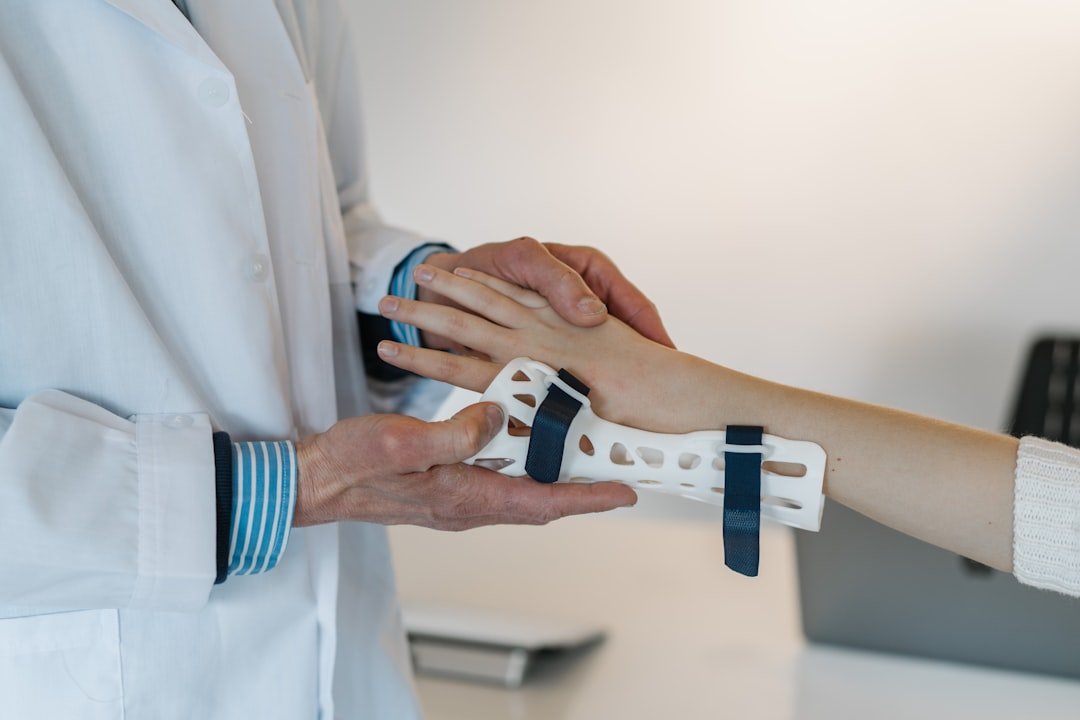
Physical therapy is the cornerstone of rotator cuff recovery after the surgery itself. The UCLA rehab protocol lays out a structured approach that most orthopedic centers follow, with variation based on tear size and surgeon preference. Most programs move through four main phases.
- Immobilization (weeks 0 to 6): The arm is protected in a sling. Your therapist performs passive range-of-motion exercises for you, meaning your shoulder muscles remain completely inactive. Elbow, wrist, and hand exercises keep the rest of the arm from stiffening during this period.
- Active-assisted motion (weeks 6 to 10): You begin using your shoulder muscles with support from the other hand or a pulley system. The goal is to restore range of motion without placing excessive load on the repair site.
- Active strengthening (weeks 10 to 16): Resistance bands and light weights are introduced gradually under close therapist supervision. Form is monitored carefully to prevent compensating with other muscles, which can build bad habits and slow progress.
- Functional return (months 4 to 12): Exercises become specific to your personal goals, whether that is gardening, carrying groceries, returning to a physical job, or competing in a sport. Athletes begin sport-specific drills during this final phase.
At home between sessions, apply ice for 15 to 20 minutes several times a day to manage swelling and pain, especially after exercise. Keep your surgical incision dry and monitor it for redness, warmth, or discharge during the early weeks. A simple daily checklist posted somewhere visible helps with consistency, since adherence to home exercise programs is one of the strongest predictors of a smooth recovery.
Warning Signs and When to Call Your Doctor During Recovery
Most patients experience a gradual, steady improvement throughout rotator cuff recovery. There will be days when the shoulder feels tight, achy, or more sore than usual, particularly after therapy sessions or when trying new movements. This is a normal part of healing. But some signs are not normal and require prompt attention from your surgical team.
The distinction matters, because dismissing a real warning sign can mean missing a failed repair early enough to act on it. Research in the NIH tendon healing study confirms that repaired tendons remain biologically vulnerable for the first 3 months after surgery. Patients who return to heavy activity too early significantly raise their risk of a failed repair, which may require revision surgery.
Normal recovery includes morning stiffness, nighttime aching that gradually improves over weeks, a feeling of tightness when reaching overhead, and mild swelling after therapy. These symptoms should be slowly getting better over time, not suddenly worsening without explanation.
When to See a Doctor
See your surgeon soon if you notice:
- Worsening pain after a period of steady improvement, without a clear cause such as overexertion
- Increased swelling not explained by recent activity or therapy
- Persistent numbness or tingling running down the arm into the hand
- A noticeable loss of strength or range of motion that was previously improving
Seek emergency care immediately if you experience:
- Fever above 101 degrees Fahrenheit combined with shoulder redness or warmth around the incision
- Discharge or pus from the surgical site
- A loud pop or snap in the shoulder after a fall or sudden forced movement
- Chest pain, shortness of breath, or calf pain with swelling (possible blood clot; go to the emergency room right away)
Key Takeaways
- Wear your sling for the full 4 to 6 weeks: Removing it early before the tendon has attached properly is one of the most common causes of re-tear during recovery.
- Physical therapy starts in weeks 1 to 2: Early passive exercises protect the repair while preventing the arm from becoming stiff during the immobilization period.
- Expect to drive and do light desk work around weeks 4 to 6: Both activities require the sling to be off and no opioid pain medication in use; confirm clearance with your surgeon first.
- Strengthening begins around weeks 8 to 12: Resistance exercises are introduced gradually once the tendon bond is strong enough to handle gentle load without risk of failure.
- Small to medium tears recover in 3 to 6 months: Most patients with smaller repairs reach the majority of their functional recovery within this window if they follow their rehabilitation plan closely.
- Large tears and overhead athletes may need 9 to 12 months: Tendon maturation continues for up to a full year, so patience and consistency in the later recovery months directly affect long-term shoulder health.
Conclusion
Rotator cuff recovery is one of the longer rehabilitation journeys in orthopedic medicine, but it’s also one of the most rewarding when patients commit to the full process. The single most important thing to remember is that pain relief happens faster than tendon healing. Your shoulder may feel significantly better weeks before it’s biologically safe for lifting, overhead reaching, or returning to sport or physical work.
Stay in close contact with your surgeon and physical therapist throughout each phase. Report anything that concerns you. Follow your sling and activity restrictions carefully during the first 6 weeks when the repair is most vulnerable. And stick with your therapy program for the full recommended duration, even when progress plateaus for a week or two.
Your personal timeline is shaped by many factors including tear size, age, general health, job demands, and activity goals. A desk worker with a small repair may feel largely back to normal by 3 to 4 months. A manual laborer or competitive overhead athlete with a larger repair may need a full year. Both outcomes are completely normal and expected. Giving your shoulder the time it needs is the most reliable thing you can do for long-term function.
Frequently Asked Questions
How long does it take for the tendon to fully heal after rotator cuff surgery?
The repaired tendon begins attaching to bone around 6 weeks after surgery, forms a strong attachment by 3 months, and reaches more complete healing by 6 to 9 months. Full biological maturation can take up to 12 months, which is why surgeons delay heavy lifting and overhead sports well beyond when pain resolves.
When can I safely drive and return to work after rotator cuff repair?
Most patients can drive again around 4 to 6 weeks after surgery, once the sling is off and they can control the arm safely. Light desk work is often possible within 2 to 4 weeks if the arm is protected. Manual labor and overhead work typically require 4 to 6 months before a safe return.
Is it normal to still have shoulder pain months after rotator cuff surgery?
Yes, it is common to have shoulder pain, stiffness, and nighttime discomfort for several months after rotator cuff repair. Healing is gradual, and many patients describe the shoulder as nearly normal at around 6 months, with continued improvement through 9 to 12 months.
How long do I have to wear a sling, and what happens if I stop too early?
Most patients wear a sling for 4 to 6 weeks to protect the healing tendon. Removing it too early puts dangerous stress on the repair before the tendon has attached properly, which increases the risk of re-tear or a failed repair that requires a second surgery.
Can I re-tear my rotator cuff during recovery, and how can I prevent that?
Re-tear is possible, especially in the first 3 months when the tendon is still fragile. To reduce the risk, wear your sling as directed, avoid lifting or reaching with the operated arm, attend all physical therapy sessions, and follow your surgeon’s activity restrictions carefully.
This article is for informational purposes only and does not replace professional medical advice. Always consult your doctor before starting any treatment.