

Quick Summary
- Full recovery from total knee replacement takes four months to one year (MedlinePlus Medical Encyclopedia, 2024), progressing through distinct stages from hospital discharge to full activity.
- Most patients manage basic daily tasks by six weeks after surgery, with the majority of pain and function improvements achieved by six months (Acta Orthopaedica, 2010).
- Physical therapy is the main driver of regaining strength, range of motion, and walking ability.
- Driving, returning to work, and other milestones require individual surgeon clearance, not a fixed calendar date.
- Certain symptoms, including calf pain, shortness of breath, and wound changes, require immediate medical attention.
Full recovery from total knee replacement takes between four months and one year, according to the MedlinePlus recovery guide (MedlinePlus Medical Encyclopedia, 2024). Total knee replacement removes damaged joint surfaces and replaces them with metal and plastic implants to relieve pain and restore movement. Recovery moves through distinct phases: the first days in hospital, an intensive six-week rehabilitation period, and continued functional gains through the first year. This article walks through that process from the first hours after surgery to the months that follow, with realistic expectations at each stage.
What Recovery After Total Knee Replacement Really Looks Like
Recovery after total knee replacement is a phased process, not a single event. Most patients stand and take their first assisted steps within a day or two of surgery, once medically stable. Pain and movement improve in stages, with the most noticeable changes coming in the first several months.
Pain and discomfort in the first days are normal and expected. Those early days involve managed pain, a walker for safety, and short walks to get circulation moving. The AAOS treatment overview describes recovery as gradual, with early walking and rehabilitation followed by a progressive return to daily tasks over the weeks that follow.
Improvement after knee replacement is not always linear. Strength and endurance can dip during the first weeks of rehabilitation before climbing again. Your surgical team expects this pattern, and your physical therapist will adjust your program as your body responds.
Recovery varies widely from one person to the next. Someone in good preoperative health with strong leg muscles may move through early milestones more quickly than someone managing multiple health conditions. Treating published averages as personal guarantees sets up unnecessary frustration. The goal of any timeline is to give you a rough map, not a contract.
Tip: Keep a simple pain and activity log each day. Tracking your progress helps you and your care team spot trends and adjust your rehabilitation plan as needed.
Week by Week: The First Six Weeks After Surgery
The first six weeks are the most intensive period of knee replacement recovery. After a hospital stay of a few days, patients work through progressively harder daily tasks at home, starting with short assisted walks. The AAOS notes that most patients can resume normal daily activities within six weeks after total knee replacement, though that milestone marks the start of continued healing rather than the end of the recovery process.
Hospital physical therapists typically have patients upright and taking short walks on the first or second day after surgery, once vital signs are stable. The hospital physical therapist introduces early knee bending and straightening exercises, ankle pumps to reduce blood clot risk, and safe techniques for getting in and out of bed. Pain control combines prescribed medications, ice, and limb elevation.
During the first two weeks at home, short frequent walks with a walker build endurance without overloading the healing joint. Wound care, swelling management with ice and elevation, and a home exercise program take up most of the day. Equipment like a raised toilet seat, shower chair, and grab bars makes bathroom tasks safer and easier on the operated knee.
During the weeks following discharge, range of motion and strength tend to improve gradually. Many patients transition from a walker to a cane during this early period, though timing varies considerably and is guided by your surgeon and therapist based on your individual strength and balance. Stairs become more manageable with practice as balance and confidence grow. A common technique is to lead with the stronger leg going up and with the operated leg going down.
Physical Therapy, Walking, and Regaining Strength
Physical therapy is central to knee replacement recovery and begins in the hospital. Early sessions restore knee extension (the ability to fully straighten the leg) and flexion (bending), activate the quadriceps (the large muscle group at the front of the thigh), and establish safe walking technique. Later sessions build strength and coordination for stairs, slopes, and uneven surfaces. Consistent participation is one of the strongest predictors of a good outcome.
The AAOS exercise guide sets out a postoperative program for restoring motion, building strength, and getting patients back to walking and daily tasks. Common early exercises include ankle pumps, straight-leg raises, and seated knee bending. As healing progresses, the focus shifts to strengthening the hip and thigh muscles that support and protect the new joint.
The Total Knee Arthroplasty chapter in StatPearls (NCBI Bookshelf, NBK470217) emphasizes early mobilization as a key factor in successful outcomes. Your therapist will also guide gait training, which means helping you walk with a safe, even stride rather than placing too much load on one side to protect the operated leg.
Home exercises matter just as much as clinic visits. A consistent program at home picks up where each therapy session leaves off and keeps progress moving between appointments. Many therapists give patients a tracking sheet to log repetitions and flag any discomfort for the next visit. A reacher or dressing aid can take some strain off the knee during self-care tasks.
Tip: Ask your therapist to demonstrate each exercise before you try it independently. Good form matters more than high repetitions, especially in the first few weeks of recovery.
Driving, Work, and Returning to Daily Life
Most patients can’t drive, return to work, or take on demanding physical tasks right after knee replacement. The timing depends on personal recovery progress, surgeon clearance, job demands, operative side, and vehicle type. There’s no universal date, and pushing any of these milestones too early carries real safety risks.
| Activity | Typical Stage | Key Requirement |
|---|---|---|
| Walking with a walker | First days after surgery | Medical clearance and supervised steps |
| Most basic daily tasks | Around 6 weeks | Consistent physical therapy and home exercise |
| Driving | Several weeks (varies by patient) | Surgeon clearance, reaction speed, no impairing medication |
| Desk or light work | Several weeks (varies by patient) | Surgeon and employer agreement, modified duties |
| Physically demanding work | Several months (varies by patient) | Surgeon clearance, adequate strength and stamina |
| Most functional improvement | By 6 months | Ongoing rehabilitation and active participation |
Before getting back behind the wheel, you need to be able to react quickly in an emergency, have enough knee movement to work the pedals, and be off any medications that dull reaction time. Your surgeon must clear you before you drive. The operative side and vehicle type also affect when you’re ready, since a manual transmission demands a different range of motion than an automatic sedan.
Mayo Clinic guidance on knee replacement notes that individual recovery varies considerably, and that many everyday activities can resume within roughly three to six weeks. Desk workers may be able to return to limited duties within that window with modified arrangements, while those in physically demanding roles typically need a longer absence and careful planning with both their employer and surgeon.
Around the home, tasks like preparing simple meals, managing stairs with a handrail, and bathing improve gradually with practice. A leg elevation pillow, compression stockings if prescribed, and a cold therapy unit for post-activity soreness help get through this stage. Your physical therapist will work through stairs and other home tasks with you before you tackle them alone.
Tip: Arrange your home before surgery if possible. Place frequently used items at waist height, install grab bars near the toilet and shower, and remove loose rugs that could cause a fall during early recovery.
Pain, Swelling, Stiffness, and What Is Normal
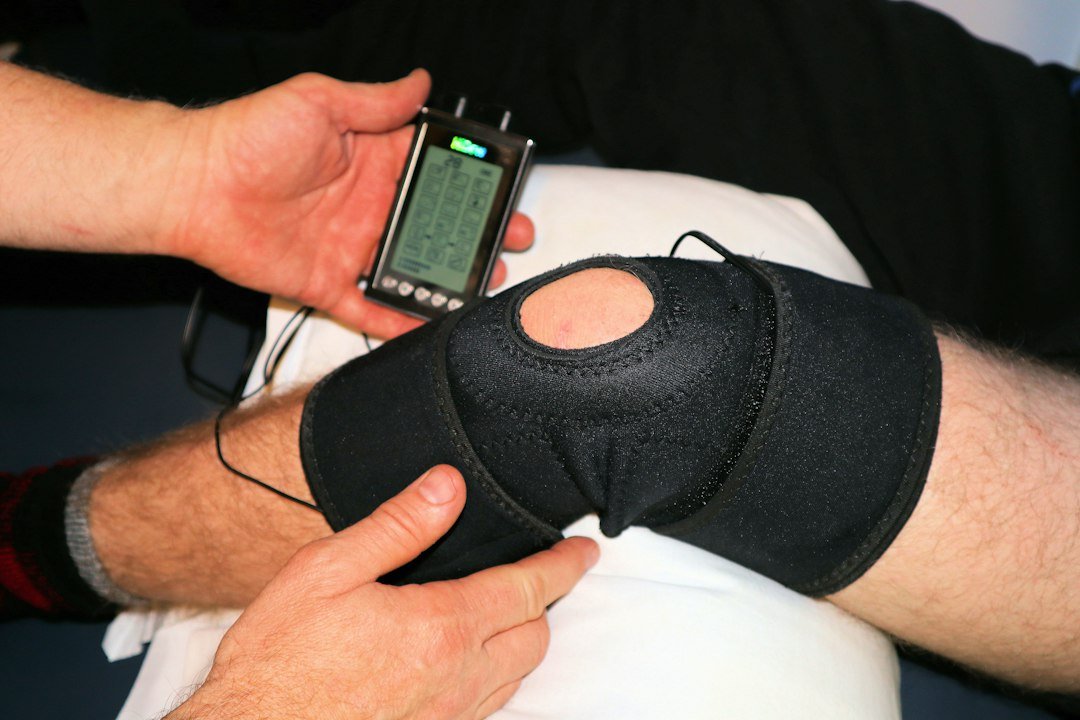
Some degree of pain, swelling, warmth, and stiffness after knee replacement is expected and doesn’t signal a complication. Swelling can persist for several weeks or even months. What matters is knowing which symptoms are part of normal healing and which ones warrant a call to your surgeon.
Pain is typically highest in the first days and tends to ease with consistent medication use, physical therapy, elevation, and cold therapy. Acta Orthopaedica (2010) found substantial improvements in pain and function as early as six weeks after surgery. The same source reports that most expected improvement is in place by six months, though gains can continue beyond that for some patients.
Swelling is the body’s inflammatory response to surgery; it’s normal, not a sign that something’s wrong. Elevating the leg above heart level when resting and using a prescribed compression stocking can help reduce it. A leg elevation pillow under the calf and heel when lying down supports the joint while helping fluid drain.
Many patients report nighttime stiffness and achiness in the months following surgery; your care team can advise on what is typical for your stage of recovery. A warm knee in the early weeks is typically part of the healing process. But increasing warmth, swelling, or redness that appears well after the initial healing phase, or that gets worse rather than better, needs to be reported to your care team promptly.
Tip: Apply ice or use a cold therapy unit for 15 to 20 minutes after exercises to manage swelling and reduce post-activity soreness. Always use a cloth barrier between ice and skin to prevent cold injury.
Factors That Affect How Quickly You Heal
How quickly you recover from knee replacement depends on more than the surgery itself. Preoperative muscle strength, age, body weight, health conditions such as diabetes, smoking status, home support, and how consistently you do rehabilitation all play a role. No two patients follow the same timeline.
Preoperative fitness is among the strongest predictors of how quickly you regain function. Patients who strengthen the muscles around the knee before surgery, particularly the quadriceps and hip muscles, often find early rehabilitation less demanding. If surgery is not urgent, ask your care team about a targeted exercise program before the procedure, sometimes called prehabilitation.
Health conditions that affect circulation or wound healing, including uncontrolled diabetes and active smoking, can slow recovery and raise the risk of complications. Body weight is also a factor, as additional load on the new joint during rehabilitation affects both comfort and the pace of progress. Talking through these factors with your surgeon gives the care team a chance to plan around them.
Home support makes a genuine practical difference, especially in the first two weeks. Having someone available to help with meals, medications, and transport to therapy appointments reduces both physical strain and fall risk. If you live alone, your hospital discharge team can connect you with home health services or community support programs.
Pain or limitation in neighboring joints, including the opposite knee, a hip, or the lower back, affects how you compensate during walking and how quickly you build stamina. Let your physical therapist know about any pain in surrounding joints so the program can be adapted accordingly.
When to See a Doctor
See your doctor soon if you notice:
- Increasing redness, warmth, or swelling around the incision that is not improving
- Wound drainage that is cloudy, has an odor, or is getting worse
- Pain that is not controlled by your prescribed medications
- A fever above 38 degrees Celsius (100.4 degrees Fahrenheit)
- Difficulty achieving the range of motion your therapist expects at your stage of recovery
Seek emergency care immediately for:
- Severe calf pain, calf swelling, or a red, firm calf (possible deep vein thrombosis)
- Sudden shortness of breath or chest pain (possible pulmonary embolism)
- A sudden, dramatic loss of knee movement or stability following a fall or injury
- High fever with shaking chills, which may indicate a severe systemic infection
Key Takeaways
- Knee replacement recovery unfolds in stages across weeks and months, with distinct milestones for mobility, daily tasks, driving, work, and exercise rather than a single endpoint.
- Healing extends well beyond the first six weeks. MedlinePlus (2024) notes the full window spans from four months up to a full year, and gains often continue quietly in the later months.
- Acta Orthopaedica (2010) documented meaningful improvements in pain and function as early as six weeks post-surgery, with the majority of expected gains present at the six-month mark.
- Physical therapy addresses specific, stage-based goals: restoring knee bend and extension, activating the quadriceps, refining gait, and building the strength needed for stairs and daily life.
- Driving and returning to employment are not calendar-based decisions; they require a surgeon’s clearance and depend on your job type, vehicle, operative side, and personal progress.
- Preoperative fitness, overall health, home support, and consistent rehabilitation participation are the most influential personal factors in how smoothly recovery goes.
Looking Ahead: Your Recovery and Beyond
The weeks after surgery are demanding, but they build toward something specific: a joint that moves with less pain than it did before the procedure. Progress that starts in those first six weeks keeps building through the months ahead. Strength and confidence keep building for many patients through the end of the first year.
The most important things are to stay active in your rehabilitation, follow your care team’s guidance on walking aids and activity restrictions, and notice how your body responds at each stage. If a symptom worries you, the warning signs section above lays out what needs same-day attention and what can wait for a call to your surgeon.
Most people who commit to rehabilitation find it pays off. Low-impact activities like walking, stationary cycling, and swimming after wound healing are generally well tolerated and support long-term joint health, always subject to your surgeon’s specific plan. The real aim is getting back the movements and daily activities that knee pain had gradually taken away. With realistic expectations and consistent effort, most patients get there.
Frequently Asked Questions
How long does it take to recover from total knee replacement?
MedlinePlus Medical Encyclopedia (2024) places the typical recovery window at four months to one year. By six weeks, many patients handle most basic daily tasks on their own, and the biggest gains in pain and function tend to arrive within the first six months. How quickly you move through those stages depends on your overall health and how consistently you engage with rehabilitation.
When can I walk without a walker or cane after knee replacement?
Most patients begin walking with a walker within the first two days after surgery. The shift to a cane and then independent walking depends on balance, leg strength, and surgeon guidance. Many people make this transition over several weeks, though the pace varies considerably from one person to the next.
How soon can I safely drive and go back to work after knee replacement?
Driving requires surgeon clearance, adequate knee movement, quick reaction ability, and no impairing pain medications. Desk workers may return within several weeks with modified arrangements. Physically demanding roles typically need a longer break, and your surgeon and employer should set the specific timeline together.
Is the ongoing pain, stiffness, and swelling after knee replacement surgery normal?
Some pain, swelling, and stiffness are expected after surgery and ease gradually. Acta Orthopaedica (2010) found substantial improvements in pain and function as early as six weeks post-surgery, with most expected gains in place by six months. Swelling in particular can persist for several months and is normal.
What symptoms are not normal after knee replacement and require urgent medical attention?
Seek emergency care for severe calf pain or swelling, sudden shortness of breath, chest pain, high fever, or rapidly worsening wound redness and drainage. Contact your surgeon soon for pain not controlled by prescribed medication, cloudy wound discharge, or stiffness that is not improving with therapy.
This article is for informational purposes only and does not replace professional medical advice. Always consult your doctor before starting any treatment.