

Quick Summary
- Orthopedic shoes with thick cushioning, arch support, and a wide toe box reduce foot, knee, and back pain during long shifts.
- Standing on concrete or tile creates repetitive pressure that the right footwear can significantly reduce.
- Choose between max-cushion, stability, or rocker-sole shoes based on your foot type and pain pattern.
- Removable insoles let you fit custom orthotics inside the shoe for more precise support.
- Replace shoes when cushioning feels flat or pain returns, even if the outsole still looks intact.
Orthopedic shoes reduce foot, knee, and back pain during all-day standing by providing cushioning, arch support, and a wide toe box that address specific pressure points and alignment problems that build up hour by hour. Whether you work in nursing, retail, manufacturing, or simply run a busy household, long stretches of standing place real strain on your heels, arches, knees, and lower back. This guide explains which features matter most, how to match them to your foot type and pain pattern, which environments call for different designs, and when standing discomfort signals that you should see a doctor rather than buy a new shoe.
What Makes an Orthopedic Shoe Comfortable for All-Day Standing?
An orthopedic shoe is comfortable for all-day standing when it combines thick midsole cushioning, firm arch support, a stable heel counter, and a toe box wide enough to let the foot splay naturally under load. Unlike standard fashion shoes, orthopedic designs prioritize function. Get any one of those four things wrong and the shoe will let you down by mid-shift.
Cushioning, found in the midsole layer beneath your foot, absorbs the impact that would otherwise travel up through the ankle, knee, hip, and spine each time your weight shifts. Standing on concrete or tile without adequate cushioning forces those structures to absorb repetitive pressure across an entire shift. When that pressure accumulates over months, it contributes to plantar heel pain, knee soreness, and lower back fatigue.
Arch support holds the foot’s natural curve in place, preventing the arch from flattening and rolling inward with each step. The heel counter is the firm cup built into the back of the shoe that wraps around your heel, keeping the foot centered and reducing the sideways wobble that strains the ankle and knee. Arch support and the heel counter together do more for joint alignment than cushioning alone.
A rocker-style sole curves gently upward at the toe, shifting your weight forward in a rolling motion rather than forcing your forefoot to flex sharply with each step. Rocker soles reduce pressure at the ball of the foot and ease discomfort for people with plantar heel pain or forefoot soreness. A wide toe box prevents toes from being squeezed together, which matters for anyone with bunions, hammertoes, or broader feet. Cushioning, arch support, a stable heel counter, and a wide toe box work as a system: removing any one of them from a shoe that claims to be orthopedic leaves a meaningful gap in protection.
Best Orthopedic Shoe Features for Back, Knee, and Foot Pain
Orthopedic shoes reduce back, knee, and foot pain because arch collapse and excess heel shock at the foot create a chain of stress that travels upward through every joint. When the arch collapses or the heel absorbs too much shock, the knee compensates by rotating inward. That rotation tilts the pelvis and strains the lower back. This chain explains why chronic back pain and persistent foot soreness so often appear together, and why the right shoe can affect joints well above the ankle.
For back pain specifically, Mayo Clinic ergonomics guidance emphasizes that supportive footwear is an important part of reducing strain during prolonged standing. A shoe with a low, stable heel of no more than half an inch keeps the spine more naturally aligned than a completely flat ballet style or a raised fashion heel. Both extremes increase lumbar curve and contribute to muscle fatigue.
For knee pain, stability features help most. A firm midsole with a denser inner section limits inward rolling of the foot, which reduces the rotational force that reaches the knee joint. Stability features are particularly relevant for overpronation, a common pattern where the inner edge of the foot strikes the ground with more force than the outer edge. Correcting overpronation at the foot level reduces strain felt further up the leg.
For foot pain, and especially plantar fasciitis (inflammation of the thick band of connective tissue along the bottom of the foot), arch support and heel cushioning are standard first steps in management. The American Academy of Orthopaedic Surgeons describes plantar fasciitis treatment as including supportive footwear and orthotic inserts alongside stretching exercises. Starting with the right shoe often reduces the severity of morning heel pain within a few weeks.
Tip: If your heel pain is worst for the first few steps in the morning and then eases as you walk, that pattern is classic for plantar fasciitis. Wearing a supportive shoe the moment you rise, rather than shuffling barefoot to the bathroom, can reduce that startup pain noticeably.
How to Choose the Right Shoe Type: Cushioning, Stability, and Rocker Soles
Choose between three orthopedic shoe types based on your pain pattern: max-cushion shoes for pressure reduction on hard floors, stability shoes for overpronation, and rocker-sole shoes for forefoot or heel pain. Picking the wrong type can be just as uncomfortable as wearing unsupportive shoes.
Max-cushion shoes prioritize shock absorption over motion control. They use thick, soft midsoles made from materials such as EVA foam or gel compounds that compress under load and spring back as you shift your weight. Max-cushion shoes suit people whose main concern is pressure and fatigue on hard floors, with no particular tendency to roll their feet inward or outward. Nurses, warehouse workers, and retail staff who stand for eight to twelve hours often find max-cushion shoes the most immediately comfortable.
Stability shoes add a firmer inner midsole section to limit overpronation. If the inner edge of your shoe wears down faster than the outer edge, or your ankles roll inward in bare feet, overpronation is likely and a stability shoe is the appropriate choice. A review of footwear research available through the National Library of Medicine discusses how design features such as support and cushioning influence pain and function in people with lower-limb conditions.
Rocker-sole shoes have a curved bottom that propels the foot forward without requiring full toe flexion. Rocker soles reduce pressure at the ball of the foot and the big toe joint, making them useful for arthritis, plantar heel pain, and metatarsalgia (pain in the ball of the foot). The trade-off is a slightly less stable feel during side-to-side movement, so rocker-sole shoes are better suited for straight-line walking or standing workstations than for tasks requiring lateral agility. If you’re unsure which category fits your needs, a podiatrist can assess your gait and foot posture during a brief clinical visit. A simple wet footprint test at home can also reveal whether your arch is high, normal, or flat.
Orthopedic Shoes for Different Work Environments and Foot Shapes
Match your orthopedic shoe to both your floor surface and your foot shape. The shoe that works well on a carpeted office floor may feel punishing on a concrete warehouse floor, and foot shape determines whether a wide toe box, high-arch support, or a stability design is the priority.
Concrete and tile floors offer no give at all. Every pound of body weight transfers directly through the shoe into the foot with no natural absorption. On concrete and tile, maximum midsole cushioning matters more than on softer flooring. Pairing a well-cushioned orthopedic shoe with an anti-fatigue mat at a stationary workstation reduces standing fatigue further. Anti-fatigue mats encourage subtle micro-movements that keep circulation active, working alongside even the best footwear.
Healthcare workers, including nurses and medical assistants, need shoes that combine cushioning with slip resistance and easy cleaning. A closed-toe, slip-resistant shoe with firm arch support and a padded collar is the standard for clinical environments. Many nurses prefer a clog-style shoe with these features because clogs slip off and clean quickly between patient contacts. Lightweight construction matters as much as cushioning after the tenth hour of a shift, since heavier shoes increase leg fatigue.
For people with wide feet, bunions, or hammertoes, toe box width is the most important fit variable. The National Institute of Arthritis and Musculoskeletal and Skin Diseases notes at its NIAMS bunion guidance that shoes with narrow toe boxes worsen bunion pain and compress the joint further. Many orthopedic shoe lines offer wide and extra-wide sizing. Always look for these options rather than assuming the widest standard size is sufficient.
For people with high arches, a neutral cushioned shoe paired with additional arch support insoles often works better than a stability shoe, because high arches already limit inward motion naturally. People with flat feet benefit most from stability or motion-control designs that prevent the arch from collapsing under prolonged load.
Tip: Shop for shoes late in the afternoon or after a full shift, when your feet are at their largest due to natural swelling. A shoe that fits well at that point won’t feel tight during a long work day.
Fit Tips, Insoles, and When to Replace Your Standing Shoes
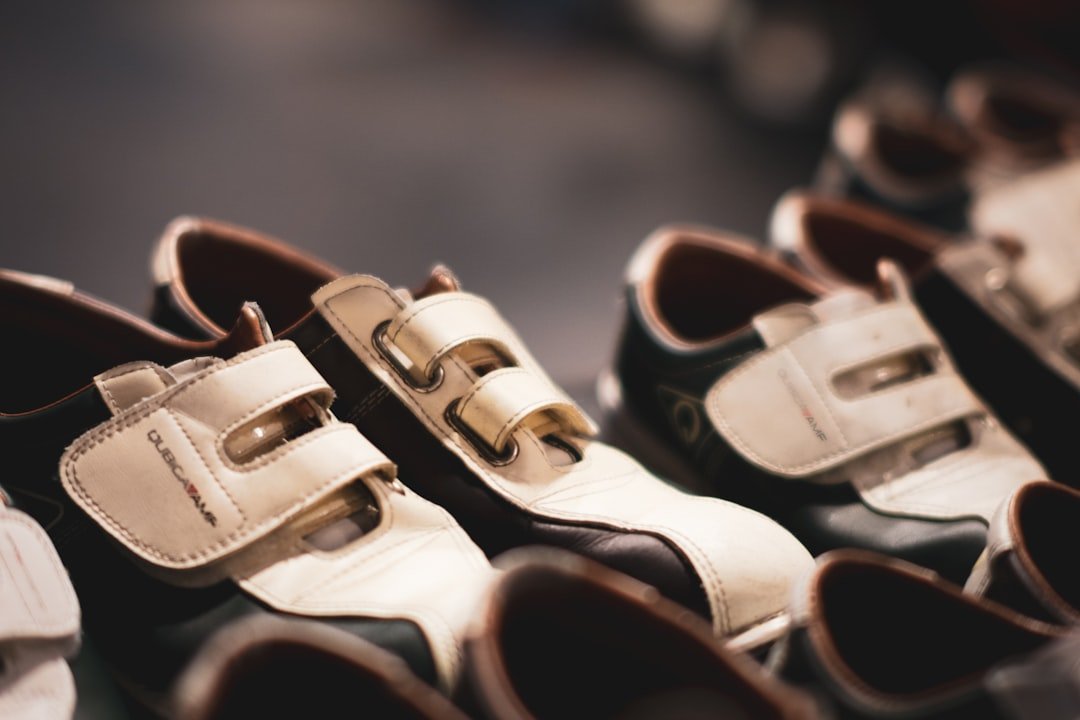
An orthopedic shoe only protects you if it fits correctly. Your longest toe should have a thumb’s width of space between it and the end of the shoe. The heel should grip firmly without slipping, and the shoe should feel comfortable immediately. Width is often ignored when buyers focus on length. A shoe that requires a painful break-in period is the wrong shape for your foot, regardless of its other features.
Insoles and orthotics deserve close attention. Over-the-counter arch support insoles can meaningfully improve a standard shoe that has a removable footbed. Prescription custom orthotics, made from a mold of your foot by a podiatrist or orthotist, offer more precise correction for conditions such as severe flat feet, leg-length differences, or plantar fasciitis that hasn’t responded to standard insoles. Custom orthotics only work well if the shoe has a removable insole and enough interior depth to accommodate the added thickness. Before purchasing, pull out the insole and replace it with your custom orthotic to confirm the fit.
Replace orthopedic shoes when cushioning fails, not when the outsole looks worn. The midsole foam loses its ability to cushion and rebound well before the outsole rubber shows visible wear. Signs that it’s time to replace your pair include returning foot or back pain, a shoe that feels noticeably flatter than when purchased, or visible creasing in the midsole when you bend the shoe by hand. Clinical literature through the National Library of Medicine supports the importance of cushioning and pressure distribution for people who stand for extended periods.
A Brannock device, the metal measuring tool found in most shoe stores, measures both foot length and width accurately. Using a Brannock device each time you buy shoes is a good habit, because foot size often changes with age, weight gain, and years of prolonged standing. Many adults need a wider or longer size in their sixties than they wore in their forties.
Tip: Keep a second pair of orthopedic shoes and alternate them daily. Rotating pairs gives the midsole foam time to decompress overnight, which extends the life of both pairs and maintains consistent cushioning level.
When Standing Pain Needs Medical Evaluation
Some standing pain requires a doctor’s evaluation, not a better shoe. Foot or ankle swelling on one side only, numbness or tingling during or after standing, and pain that doesn’t improve after two to four weeks of wearing supportive shoes consistently all signal a condition that goes beyond what footwear alone can address.
See a doctor soon if you notice:
- Foot or ankle swelling that is worse on one side only.
- Arch or heel pain that does not improve after two to four weeks of wearing supportive shoes consistently.
- Numbness, tingling, or burning in the foot or toes during or after standing.
- Visible changes in foot shape, such as rapid worsening of a bunion or a new toe deformity.
- Knee, hip, or lower back pain that worsens despite switching to proper supportive footwear.
Seek emergency care if you experience:
- Sudden severe foot or leg pain following an injury or fall.
- Rapid swelling, redness, and warmth concentrated in one joint, which can signal infection or a gout attack.
- Loss of sensation or muscle control in the foot or lower leg.
Key Takeaways
- Orthopedic shoes with cushioning, arch support, a wide toe box, and a firm heel counter address the root causes of foot, knee, and back pain from prolonged standing.
- Match the shoe type to your foot: max-cushion shoes for pressure reduction on hard floors, stability shoes for overpronation, and rocker soles for forefoot or heel pain.
- Standing on concrete requires more cushioning than carpeted surfaces. Pair supportive shoes with an anti-fatigue mat at any fixed workstation.
- Removable insoles are essential if you use custom orthotics. Always check that your orthotic fits the new shoe before purchasing.
- Replace shoes when cushioning feels flat or pain returns, even if the outsole looks intact. Do not wait for visible outsole wear before replacing.
- Persistent, one-sided, or worsening pain with numbness or swelling warrants a medical evaluation, not just a different pair of shoes.
Conclusion
Orthopedic shoes are a practical investment for anyone who spends hours on their feet, not a niche product reserved for people with serious foot conditions. Standing for long hours is physically demanding, and the shoes you choose directly affect how your body holds up over time.
Match shoe features to your specific situation. A nurse working twelve-hour shifts on tile floors needs different features than a retired walker managing mild knee pain. Focus on cushioning level, arch support type, toe box width, and compatibility with any custom orthotics you already use. Check fit at the end of the day, when your feet are at their largest, and confirm the heel counter grips firmly without slipping.
Replace shoes before pain returns rather than waiting for the outsole to wear through. If good supportive footwear doesn’t ease your discomfort within a few weeks, that’s useful information: the problem may go beyond what a shoe alone can fix. A podiatrist, physiotherapist, or orthopedic specialist can assess what else might be contributing to your pain and recommend a more complete plan. Good footwear is foundational for anyone on their feet all day, but it’s a starting point for care rather than the last word.
Frequently Asked Questions
What are the best orthopedic shoes for all-day standing comfort?
The best orthopedic shoes for all-day standing offer thick cushioning, firm arch support, a wide toe box, and a stable heel counter. Look for removable insoles if you use custom orthotics. No single brand fits everyone, so focus on features rather than labels.
How do I know if I need a stability shoe or a cushioned shoe?
If your feet roll inward when you walk (overpronation), a stability shoe adds side-to-side control. If your main concern is shock and pressure on hard floors, a max-cushion shoe is usually the better choice. A podiatrist can confirm which type suits your foot.
Can orthopedic shoes help with back, knee, or hip pain?
Yes. Supportive footwear reduces shock that travels up through the joints when you stand. Mayo Clinic notes that proper footwear is part of reducing strain during prolonged standing. Better alignment at the foot often eases knee, hip, and lower back stress over time.
Should orthopedic shoes have a wide toe box and removable insole?
A wide toe box lets your toes spread naturally and reduces pressure on bunions or hammertoes. Removable insoles are important if you use prescribed custom orthotics, so the shoe can accommodate them properly without cramping the foot.
How often should standing shoes be replaced?
Most orthopedic shoes show midsole breakdown well before the outsole looks worn. If your standing pain returns or the shoe no longer feels cushioned underfoot, it is time to replace the pair. Many manufacturers suggest reassessment after several hundred hours of use.
This article is for informational purposes only and does not replace professional medical advice. Always consult your doctor before starting any treatment.