

Quick Summary
- Two distinct forms exist in adults: one carried from adolescence and one that develops from disc and joint wear later in life, each with its own clinical features and treatment priorities.
- Pain and leg symptoms in scoliosis frequently trace to arthritis, stenosis, or nerve compression rather than to the size of the curve itself.
- Roughly 4 in 10 adults see some curve change over a 20-year period, and most of that change is slow rather than dramatic.
- Physical therapy, pain medication, and injections are the foundation of nonsurgical management and are considered the standard first step.
- Surgery is reserved for those with persistent disability, neurological decline, or significant balance problems that do not improve with conservative care.
Adult scoliosis is both more common and more manageable than many people expect. If you’ve noticed back pain limiting your day, a visible lean to one side, or picked up an X-ray report mentioning a curved spine, those questions have clear answers. This guide covers the two main forms of adult scoliosis, the symptoms most worth monitoring, how specialists evaluate and track the condition, and all treatment options from conservative care through to surgery.
Two Forms of Spinal Curvature in Adults
Adult scoliosis takes two distinct forms with different causes and clinical profiles: adult idiopathic scoliosis, a curve carried from adolescence, and adult degenerative scoliosis, a curve that develops from disc and joint wear in midlife or later. The condition is defined as a lateral spinal curvature measuring at least 10 degrees on a standing X-ray, confirmed by Cobb-angle measurement. Knowing which form you have helps your specialist set realistic goals and choose the right treatment approach.
Adult idiopathic scoliosis is a curve that developed during childhood or adolescence and carried into adulthood. It has no single identified cause. Many people reach their sixties or seventies without the curve causing significant trouble. Symptoms tend to become more noticeable when the natural disc and joint changes of aging are layered on top of an already curved spine.
Adult degenerative scoliosis (also called de novo scoliosis, because it develops fresh in adulthood) starts from uneven wear on the discs and facet joints, which gradually tilts the vertebrae and lets the spine drift sideways. It most often appears in the lower back and frequently travels with spinal stenosis (narrowing of the spinal canal) or facet-joint arthritis. The AAOS adult scoliosis overview explains that a full evaluation covers causes, spinal alignment, neurological status, and overall balance rather than curve size alone.
| Feature | Idiopathic Scoliosis | Degenerative Scoliosis |
|---|---|---|
| When it begins | Childhood or adolescence | Midlife or later |
| Typical spinal region | Thoracic or thoracolumbar | Lower lumbar spine |
| Primary driver | No single identified cause | Disc and facet-joint wear |
| Associated conditions | Age-related changes added over time | Stenosis and arthritis common |
| Treatment focus | Monitoring plus symptom management | Pain, nerve symptoms, and balance |
Pain source, neurological findings, spinal balance, and overall function all carry as much clinical weight as the Cobb angle on an X-ray. Both forms can coexist in older adults. A larger curve doesn’t automatically mean more severe symptoms, and a smaller curve is no guarantee of an easy experience.
Physical Clues and Sensations Worth Noticing
The most common symptoms of adult scoliosis are postural asymmetry, activity-related low back pain, and leg symptoms caused by nerve involvement. Many arise not from the sideways curve directly but from conditions that develop alongside it, including arthritis of the spinal joints, stenosis, and nerve compression. Knowing which symptoms are present, and which are urgent, shapes the timing and type of evaluation needed.
Postural asymmetry is often the first visible sign. One shoulder may sit noticeably higher than the other, one hip may appear raised, or the whole torso may lean slightly to one side. A rib prominence, where the ribcage on one side sticks out further than the other when bending forward, often shows up during a physical examination. These findings alone may cause no pain but confirm the spinal curve.
Activity-related low back pain, worsening with prolonged standing or long walks, is probably the most frequent complaint in adult scoliosis. The muscles on one side of the spine work harder to compensate for the uneven load, which produces fatigue and aching by the end of the day. This mechanical pattern eases with rest and position change, which helps distinguish it from other spinal conditions.
Leg pain, numbness, tingling, or heaviness during walking are signs of possible nerve involvement and deserve prompt clinical attention. When the spinal canal narrows or a nerve root is compressed by a shifted disc or bony spur, pain, numbness, or tingling can radiate down one or both legs. Some adults notice leg heaviness or cramping when walking that eases when they sit or bend slightly forward, a pattern known as neurogenic claudication. Johns Hopkins Medicine notes that nerve-related symptoms in adults require clinical assessment to identify their source and guide appropriate care.
Tip: Keep a brief daily log of when your pain is worst, what activity preceded it, and what brought relief. This record gives your specialist far more useful information than a single office visit can capture.
Tracking Changes: Diagnosis and Monitoring
Adult scoliosis is diagnosed through a physical and neurological examination, standing full-spine X-rays, and Cobb-angle measurement. Comparing those angles between X-rays taken at different points in time is the most reliable way to judge whether a curve is stable or progressing. Symptoms can fluctuate without the curve changing at all, and the curve can change without symptoms keeping pace, which is why periodic imaging matters even when you’re feeling fine.
Not all curves progress. The American Association of Neurological Surgeons (2024) reported that in a 20-year study, about 40 percent of adults with scoliosis experienced any curve progression. Among those who progressed, most showed mild, gradual change, while a smaller subset experienced more significant progression. That means most adults are not heading toward rapid deterioration, though consistent monitoring still matters for catching meaningful change early.
According to the AAOS, curves larger than 50 degrees and degenerative curves in the lower back carry a higher chance of continued change. Even so, curve size on X-ray doesn’t automatically translate to severe symptoms. Mayo Clinic’s treatment guide describes how monitoring accounts for pain levels, neurological status, and balance, not just radiographic findings.
MRI is added to the evaluation when nerve symptoms such as leg pain, numbness, or weakness are present, since it shows soft tissue, disc condition, and spinal canal detail that X-rays can’t capture. CT scanning provides detailed bone imaging and is particularly useful for surgical planning. A pain and function diary kept between appointments helps your clinician see how symptoms are shifting, separately from what imaging shows.
Nonsurgical Treatment Options
Conservative care is the standard first-line treatment for adult scoliosis and includes physical therapy, pain medication, spinal injections, activity modification, and periodic monitoring. It addresses symptoms and supports daily function even when it can’t alter the shape of the curve itself. Most adults see real improvement with a well-structured nonsurgical plan before surgery ever comes up. The NIAMS scoliosis information page notes that treatment decisions depend on symptom severity, curve size, and progression together, not on any single factor.
Physical therapy is the central component of nonsurgical care for adult scoliosis. Structured programs combine targeted core and spinal muscle strengthening, flexibility work, and patient education. Stronger, better-balanced support muscles reduce the uneven load on the vertebrae, which often means less daily pain and better staying power for activity. A scoliosis-specific assessment matches exercises to your particular curve pattern rather than handing you a generic back-pain routine.
Pain management keeps you active and engaged with therapy. Over-the-counter anti-inflammatory medications may ease acute flares. For more persistent or severe pain, your doctor may consider prescription options or short courses of muscle relaxants, depending on your overall health and other medications you take.
Spinal injections, such as epidural steroid injections or selective nerve-root blocks, come into play when leg pain from nerve compression is a prominent problem. By reducing local inflammation, they can offer enough relief to make physical therapy sessions more productive.
Bracing in adults with scoliosis doesn’t reliably correct a mature spinal curve and works differently than it does in adolescents. The AAOS notes that adult bracing may provide temporary support or symptom relief during specific activities, but evidence for sustained pain reduction is limited, and comfort and adherence can be difficult for older adults. A soft lumbar support is most often considered for adults with degenerative lower-back curves who experience worsened pain during prolonged standing or heavy lifting; a semirigid thoracolumbar orthosis is occasionally used for those with symptomatic thoracic or thoracolumbar curves and notable postural fatigue during the day. Neither serves as a standalone treatment: any brace trial works best alongside a structured physical therapy program so that muscle conditioning continues in parallel.
Tip: Ask your physical therapist specifically about scoliosis-specific exercise programs. These are tailored to your curve direction and location, addressing the particular muscle imbalances that a curved spine creates rather than applying a standard back-pain routine.
Deciding Whether Surgery Is the Right Step
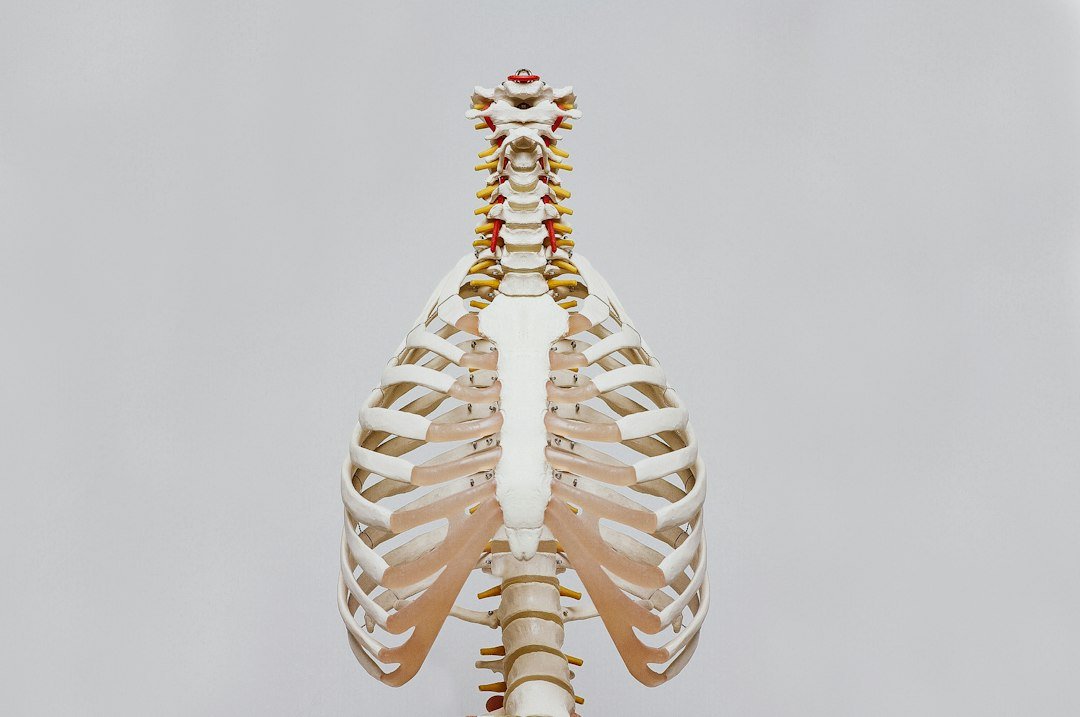
Surgery for adult scoliosis is considered only after nonsurgical care has had adequate time without satisfactory relief, and the decision rests on the full clinical picture rather than a single curve measurement. A person with persistent disability from nerve compression may qualify even with a relatively modest curve, while someone with a large curve but good function and mild pain may not.
Johns Hopkins Medicine notes that surgery for scoliosis is reserved for patients in whom symptoms and clinical findings justify the risks involved. The factors that most commonly lead clinicians to consider surgical evaluation include the following.
- Persistent disabling pain that has not responded to appropriate nonsurgical care given over an adequate period.
- Progressive neurological deficits such as new weakness, reduced sensation, or worsening reflexes in the legs.
- Neurogenic claudication that significantly limits walking distance or independence in daily activity.
- Major functional decline that affects a person’s ability to care for themselves or take part in normal activities.
- Progressive deformity with clinically important balance problems, such as a visible forward or lateral trunk shift.
The most common surgical approaches for adult scoliosis are decompression (removing bone or tissue pressing on a nerve), stabilization, and spinal fusion (joining two or more vertebrae so they heal as a single unit). Minimally invasive techniques use smaller incisions and specialized retractors; they suit limited decompression at one or two levels and are generally associated with shorter hospital stays and less blood loss. Open surgery is used when significant deformity correction or multilevel fusion is required, since realigning the spine over several segments demands greater surgical exposure and access to the full operative field. Which approach is chosen depends on symptom pattern, spinal alignment, the degree of deformity, the presence of instability, and the number of levels involved.
Surgery for adult scoliosis aims to relieve nerve compression, improve balance, and reduce disability; it doesn’t always straighten the spine fully. Outcomes depend on the complexity of the procedure, the patient’s overall health, and age. A detailed pre-surgical conversation about goals, risks, and realistic expectations with your spine surgeon is worth taking seriously.
Exercise, Follow-Up, and Long-Term Expectations
Living well with adult scoliosis is achievable for most people, with the goal of management being to improve pain, preserve function, and support as full an active life as possible. The spine doesn’t need to be straight for someone with adult scoliosis to feel well, move confidently, and stay engaged in the activities that matter to them.
Regular movement is one of the most effective self-management tools for adult scoliosis. Gentle activities such as walking, swimming, and water aerobics support spinal health without loading joints heavily. They also maintain cardiovascular fitness, support a healthy weight, and strengthen the muscles that stabilize the spine. Avoiding prolonged sitting or standing in one position helps cut lower-back strain over the course of a day.
A scoliosis-specific physical therapy assessment identifies which movements benefit your particular curve pattern and which to modify or avoid. A trained therapist can also teach protective movement habits for daily tasks such as lifting, sleeping, and sitting that reduce cumulative strain on the spine over months and years.
Follow-up intervals with a spine specialist depend on curve size, the rate of any past change, and symptom pattern. Some patients need only occasional standing X-rays every few years; those with larger or more active curves need closer review. Meaningful curve changes can creep in gradually without a matching rise in pain, which is why attending scheduled check-ups matters even when you’re feeling well.
Maintaining a healthy weight reduces load on spinal discs and facet joints; in a curved spine, that load is already distributed unevenly, so added body weight amplifies the asymmetric stress on the more loaded side. Smoking impairs the nutritional supply to spinal discs through reduced blood flow, which is especially relevant in degenerative scoliosis where disc quality is already compromised, and it also impairs bone healing if surgical fusion becomes necessary. Sleep positioning carries scoliosis-specific relevance: side-sleeping with a pillow between the knees and adequate support under the waist can reduce the torquing force that an unsupported curve places on surrounding muscles overnight, which often cuts morning stiffness.
Tip: If walking causes leg cramping or heaviness that reliably eases when you sit or lean forward, mention this pattern to your doctor at your next appointment. It is a recognized sign of possible nerve involvement and is worth investigating rather than waiting for it to worsen.
When to See a Doctor
Schedule an appointment soon if you notice any of the following:
- Back pain that is new, worsening, or no longer responding to your usual relief measures.
- A visible increase in your lean to one side or a new asymmetry in shoulder or hip height.
- Pain, tingling, or numbness that travels down one or both legs.
- Leg heaviness or cramping when walking that eases when you stop and sit down.
- Increased fatigue or difficulty standing upright for your usual length of time.
Seek emergency care immediately if you experience any of the following:
- Sudden new weakness or loss of movement in one or both legs.
- Loss of control over bladder or bowel function.
- Numbness in the groin or inner thighs, sometimes called saddle numbness.
- Severe back or leg pain following a fall or injury.
- Fever alongside back pain, particularly if you have a known spinal implant or have recently had a spinal procedure.
Key Takeaways
- Adult scoliosis comes in two distinct forms: idiopathic (carried from adolescence) and degenerative (developing from disc and joint wear), each with its own treatment priorities and clinical characteristics.
- Symptoms, including back pain and leg symptoms, often arise from arthritis, stenosis, or nerve compression that accompanies the curve rather than from the angle of the curve itself.
- Monitoring with standing X-rays and Cobb-angle comparison at regular intervals is the most reliable way to detect meaningful curve change before symptoms worsen significantly.
- Conservative care including physical therapy, pain management, and periodic monitoring is the standard first step and reliably helps most adults manage symptoms without surgery.
- Surgical evaluation is considered only for persistent disabling symptoms, progressive neurological findings, or significant balance problems that do not respond to nonsurgical care.
- Regular exercise, maintaining a healthy weight, attending follow-up appointments, and tracking symptoms between visits all support better long-term outcomes.
Looking Ahead With Adult Scoliosis
A diagnosis of adult scoliosis is not a forecast of inevitable decline. For the great majority of people, it’s a manageable condition when identified accurately, monitored appropriately, and treated with well-matched therapies. Physical therapy, activity adjustments, and pain management give most adults a real route to a more comfortable daily life, and surgery is rarely the first step.
Matching treatment to what’s actually driving symptoms is the most important part of the process. Pain and leg symptoms often trace back to accompanying stenosis, nerve compression, or joint arthritis rather than to the curve angle itself, so a plan targeting those sources is more likely to help. The curve and the symptoms are connected but not always in direct proportion, and a spine specialist can sort out which part of the picture is causing the most trouble.
If your symptoms suggest nerve involvement or are getting worse, the safety callout above explains when to seek prompt or emergency care. For most people, the path forward is professional guidance, targeted exercise, and consistent self-care. Working steadily with your care team and staying as active as your comfort allows are among the most useful things you can do for your spinal health over time.
Frequently Asked Questions
- What are the most common symptoms of adult scoliosis?
- Adults with scoliosis most often report activity-related low back pain, one shoulder or hip sitting visibly higher than the other, a lean to one side, and muscle fatigue by end of day. Leg pain, tingling, or heaviness when walking may appear if stenosis or nerve compression is also present.
- Can scoliosis worsen after skeletal growth has ended?
- Yes. Adults with curves exceeding 50 degrees or degenerative patterns in the lower lumbar spine face a greater likelihood of ongoing change over time. The American Association of Neurological Surgeons (2024) followed adults over 20 years and found about 40 percent experienced some progression, though most of that change was slow and gradual rather than dramatic.
- How is adult scoliosis diagnosed and monitored?
- Diagnosis begins with a physical and neurological exam followed by standing full-spine X-rays and Cobb-angle measurement. Comparison X-rays at scheduled intervals track any change. MRI is added when nerve symptoms are present; CT provides detailed bone imaging for surgical planning when needed.
- What treatments help adult scoliosis without surgery?
- Structured physical therapy, anti-inflammatory or prescription pain medication, spinal injections for nerve-related leg pain, activity modification, and periodic monitoring form the foundation of nonsurgical care. Bracing may offer temporary support during activity but does not reliably correct a fully developed spinal curve.
- When is surgery recommended for adult scoliosis?
- Surgery is considered when persistent disabling pain, progressive neurological deficits, neurogenic claudication, significant functional decline, or progressive deformity with balance problems remain after adequate nonsurgical care. The decision rests on the full clinical picture, not a single curve angle.
This article is for informational purposes only and does not replace professional medical advice. Always consult your doctor before starting any treatment.