

Quick Summary
- Degenerative disc disease describes normal, age-related wear in the spinal discs and is not a true disease in the traditional sense.
- Disc changes visible on a scan do not always explain pain; diagnosis requires a full history and physical examination alongside imaging.
- Common symptoms include intermittent neck or low-back pain, stiffness, and radiating arm or leg discomfort when a nerve is involved.
- Exercise, physical therapy, and activity modification are the first-line approach and help a large share of patients manage symptoms effectively.
- Surgery is reserved for cases where disabling symptoms persist after nonsurgical care or when nerve compression is causing progressive weakness.
Degenerative disc disease is a term for the natural, age-related changes that develop in the cushioning discs between spinal vertebrae, and despite its name it does not follow the pattern of a conventional illness. Low back pain after prolonged sitting, morning neck stiffness, or an ache that travels into one leg often sends people for imaging, where they hear this diagnosis for the first time. Disc changes are a normal part of getting older and show up on scans in plenty of adults who feel little or no discomfort. Knowing what those changes actually mean, and whether they explain your specific symptoms, is where getting better starts. This guide covers the condition in plain language and can help you work out when self-care is enough and when to bring in a specialist.
What Degenerative Disc Disease Means
Degenerative disc disease is a term for normal, age-related changes in the cushioning discs between the spinal vertebrae. It is not technically a disease in the traditional sense because it does not follow the pattern of an infection or illness. The changes are structural and gradual, and they show up in many adults to some degree by middle age.
The intervertebral discs are soft, shock-absorbing cushions that sit between each pair of vertebrae and gradually lose height, fluid content, and flexibility as part of the natural aging process. Each disc has a tough outer ring called the annulus fibrosus and a gel-like center called the nucleus pulposus. With age, the nucleus pulposus loses water, the disc flattens slightly, and small tears may form in the annulus fibrosus. The StatPearls chapter “Lumbar Degenerative Disc Disease,” available via NCBI Bookshelf (NBK448134), describes how these anatomical changes underlie both localized disc pain and nerve-related symptoms in selected patients.
Disc changes visible on an MRI scan are not a verdict on the cause or severity of your pain. Many adults with visibly degenerated discs on MRI experience no significant pain at all, while others with modest imaging changes report considerable discomfort. Your doctor will always interpret the scan alongside your symptoms, physical examination, and activity history, not in isolation.
The term also overlaps with related diagnoses such as disc herniation, spinal stenosis, and radiculopathy. Your clinician may use these terms together or separately, depending on which structures are involved and which are actually producing your symptoms. Asking for clarification on which diagnosis best fits your situation is always a reasonable question.
Symptoms and Causes: How Disc Changes Can Affect the Back or Neck
Intermittent pain in the neck or lower back is the most common presentation of degenerative disc disease. The character and spread of that pain depend on which part of the spine is involved and whether a nearby nerve root is being compressed or irritated alongside the disc itself.
Cervical degenerative disc disease, which affects the neck, most often involves the lower cervical segments. Local symptoms include neck stiffness, a dull ache between the shoulder blades, and reduced range of motion when turning or tilting the head. When a disc change irritates a cervical nerve root, symptoms can extend into one arm, producing radiating pain, tingling, or numbness down into the hand. Grip weakness may also develop in more pronounced cases.
Lumbar degenerative disc disease affects the lower back and is more common overall. Low-back pain and buttock aching are typical, and many people notice that sitting for long periods makes it worse. When a lumbar disc irritates the sciatic nerve, pain can travel down the back of the leg and into the foot. The NINDS back pain guide explains that low-back pain has many possible contributors, and degenerative disc changes are only one of them.
| Feature | Cervical (Neck) | Lumbar (Lower Back) |
|---|---|---|
| Local pain area | Neck, upper shoulders | Lower back, buttocks |
| Referred symptom area | Arm, hand, fingers | Leg, foot, toes |
| Nerve involvement name | Cervical radiculopathy | Lumbar radiculopathy or sciatica |
| Position that worsens pain | Bending or rotating the neck | Prolonged sitting or forward bending |
| Possible weakness location | Hand grip, arm strength | Leg muscles, foot movement |
Pain that varies throughout the day, eases with gentle movement, and worsens after long periods in one position is a recognizable pattern. Two people with nearly identical imaging findings can have very different levels of discomfort, which is why a thorough clinical assessment always takes priority over the scan alone.
How Doctors Diagnose Degenerative Disc Disease
Diagnosis relies on combining a thorough medical history, a physical examination, and targeted imaging when needed. No single test proves that a disc is the source of pain, which is why the full clinical picture matters more than any one scan result.
Your doctor will ask about the location, quality, and timing of your pain, what makes it better or worse, and whether it spreads into your arms or legs. They will assess your posture, range of motion, muscle strength, and reflexes. These findings together suggest whether a nerve is involved and which spinal level is most likely affected.
X-rays can show disc-space narrowing, bony spurs called osteophytes, alignment changes, and signs of arthritis. They do not show soft tissue directly but are often a useful first step. MRI provides a detailed view of the discs, spinal cord, and nerve roots and is typically ordered when symptoms suggest nerve compression, when pain persists despite initial treatment, or when a more serious cause needs to be excluded.
An abnormal MRI finding does not automatically explain your symptoms. Imaging abnormalities appear in many adults who are completely free of pain. The NIAMS back pain page notes that imaging is most valuable when it is selected for a specific clinical reason and interpreted within the full clinical context.
Your clinician may also use standardized tools such as the Oswestry Disability Index for lumbar symptoms or the Neck Disability Index for cervical symptoms. These brief questionnaires measure how much your daily activities are affected and can track your progress over time as treatment begins.
Nonsurgical Management: Exercise, Physical Therapy, Medicines, and Lifestyle
Nonsurgical care is the recommended first approach for most people with degenerative disc disease. Getting active, working through physical therapy, and making a few targeted lifestyle changes helps most people manage symptoms and stay functional, often without surgery ever entering the picture.
Exercise is one of the most consistently helpful tools available. Low-impact activities such as walking, swimming, and cycling keep the spine mobile, support the discs’ nutrient supply, and strengthen the muscles that stabilize the vertebrae. A physical therapist can design a graded program targeting core strength, flexibility, and posture correction specific to your level and goals. The American Academy of Orthopaedic Surgeons supports activity modification, exercise, and physical therapy as central components of low-back pain management. Avoiding prolonged bed rest matters just as much. Beyond a day or two, rest tends to slow recovery rather than help it.
Tip: Keep a brief pain and activity diary for two to three weeks. Noting which activities trigger flare-ups and which relieve them gives your physical therapist the information needed to build a program that works with your body rather than against it.
Over-the-counter pain relievers, including acetaminophen and nonsteroidal anti-inflammatory drugs (NSAIDs) such as ibuprofen or naproxen, are commonly used to reduce pain and inflammation during flare-ups. NSAIDs are not suitable for everyone, however. People with kidney disease, stomach ulcers, cardiovascular disease, high blood pressure, or those taking blood thinners should discuss medication choices with their doctor before using them on a regular basis.
Lifestyle choices also carry real weight. Maintaining a healthy body weight reduces the daily compressive load on your spinal discs. Quitting smoking is particularly worthwhile because tobacco is believed to reduce blood flow to the discs and accelerate their breakdown. Ergonomic adjustments at work and at home, including a supportive chair, regular movement breaks, and a comfortable sleeping position, can all reduce cumulative strain on the spine over time.
When Injections or Surgery May Be Considered
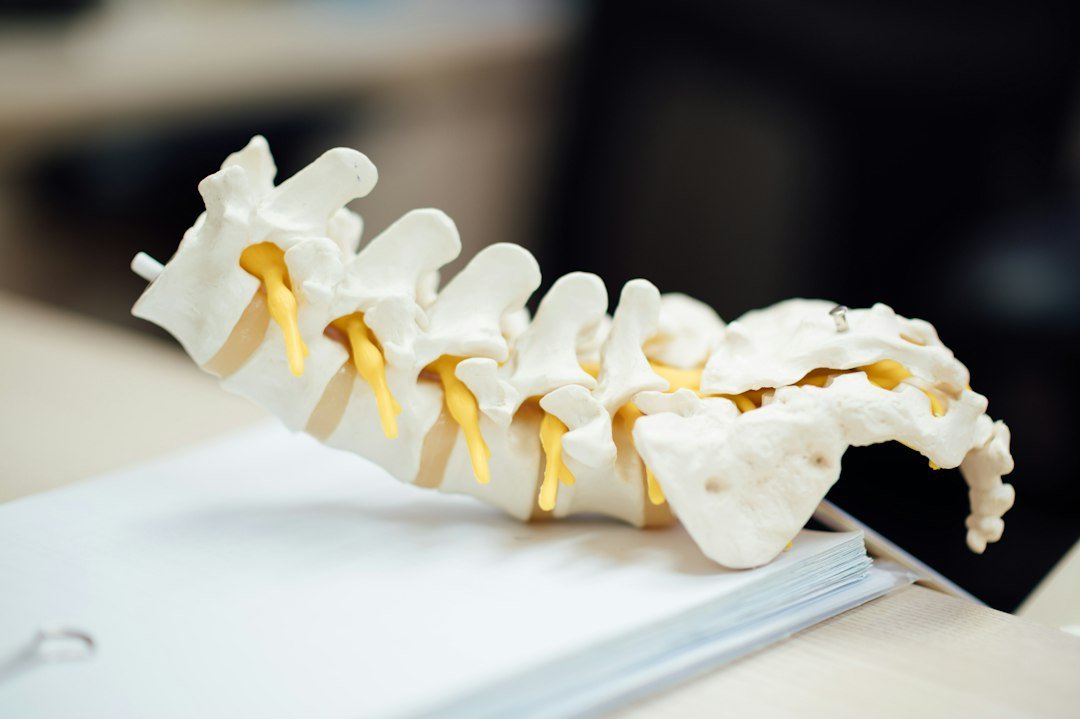
Most people with degenerative disc disease do not need injections or surgery. These options are considered when symptoms are severe, persistent, or involve significant nerve compression that has not responded adequately to nonsurgical care. They are targeted interventions, not cures for disc degeneration itself.
Spinal injections, such as epidural steroid injections or selective nerve root blocks, may be used when inflammation or nerve-related arm or leg pain is the dominant problem. They deliver medication directly near the affected area to reduce swelling and quiet nerve irritation. Injections can create a window of reduced pain that allows a person to participate more fully in physical therapy. They do not repair a degenerated disc or restore lost disc height, and repeated injections over a long period are approached with care.
Surgery is considered when disabling symptoms persist after an appropriate course of nonsurgical care, when significant nerve compression is causing progressive weakness or loss of function, or when spinal instability is identified. Common procedures include decompression surgery, which removes tissue pressing on a nerve, and spinal fusion, which joins two vertebrae to eliminate movement at a painful segment. Artificial disc replacement may be an option for carefully selected patients in the cervical or lumbar spine. The North American Spine Society clinical guidance supports a careful, evidence-informed approach to patient selection based on both anatomical findings and functional impairment.
It is also worth addressing claims about regenerative treatments such as platelet-rich plasma and stem cell injections. Research in this area is active, but the evidence for these approaches in disc degeneration remains preliminary. They are not yet standard care, and their benefits should not be overstated. Discussing any such options thoroughly with a qualified spine specialist before committing to them is strongly advisable.
Tip: Before agreeing to any injection or surgical procedure, ask your doctor to explain clearly which specific structure is being targeted, what the realistic range of outcomes looks like, and which nonsurgical options are still available to you.
When to See a Doctor About Disc-Related Pain
Seek emergency care if you develop any of the following:
- Progressive weakness in one or both arms or legs that is getting noticeably worse
- New loss of bladder or bowel control
- Numbness or tingling in the groin, inner thighs, or saddle area
- Severe back or neck pain accompanied by fever or unexplained weight loss
- Sudden dramatic worsening of symptoms after a fall, accident, or significant injury
Make an appointment with your doctor soon if you notice:
- Pain that has persisted for several weeks and has not improved despite appropriate home care
- Radiating pain, tingling, or numbness into your arm or leg that is constant or steadily worsening
- Pain severe enough to regularly disrupt your sleep or prevent normal daily activities
- Symptoms that appear to be spreading to new areas of your body
Key Takeaways
- Disc wear is part of normal aging and is often found on scans in pain-free adults; imaging changes must always be interpreted alongside a full clinical assessment, not in isolation.
- Both the neck and lower back can develop symptomatic disc degeneration; nerve involvement adds radiating pain, tingling, or weakness that travels into the arm or leg on the affected side.
- Diagnosis combines your personal history, physical examination, and selected imaging; no single test confirms a disc as your pain source.
- Graded exercise and physical therapy form the foundation of nonsurgical care; many patients see meaningful progress after several weeks of consistent effort.
- If symptoms have not improved after several weeks of appropriate self-care, an appointment with a primary care doctor or spine specialist is a sensible and timely next step.
- Progressive weakness, loss of bladder or bowel control, and saddle numbness are urgent signs calling for same-day medical evaluation, not a wait-and-see approach.
Conclusion
For the large majority of people with degenerative disc disease, symptoms are manageable and the outlook with consistent, appropriate care is genuinely positive. The name describes a process that most spines go through over a lifetime, not a fixed, worsening condition without options. Staying active is the single most consistently helpful thing most patients can do.
Your treatment path is not one-size-fits-all. The goal is matching the right approach to your specific symptoms, exam findings, and personal circumstances. Starting with nonsurgical care and building a graded program with a physical therapist gives most people a solid foundation. If that isn’t enough, a spine specialist can reassess and discuss further steps based on your full clinical picture at that point.
If you notice any of the warning signs listed in this article, including progressive weakness, loss of bladder or bowel control, saddle numbness, or sudden dramatic symptom worsening after an injury, do not delay seeking care. For everything else, consistent daily habits, realistic expectations, and a good working relationship with your healthcare team are your most reliable tools. A scan showing disc changes is not a life sentence. Many people with degenerative disc disease live full, active lives and keep symptoms well in hand for years.
Frequently Asked Questions
What is degenerative disc disease, and is it actually a disease?
Degenerative disc disease is not a traditional disease but a medical term for age-related wear on the cushioning discs between the spinal vertebrae. Disc changes are common and often appear on imaging in people who feel no pain at all. Whether these changes cause symptoms depends on many individual factors, including posture, activity level, and nerve sensitivity.
What symptoms can degenerative disc disease cause?
From the neck to the lower back, disc-related discomfort most often presents as intermittent pain that shifts with posture and activity. When a nearby nerve root is compressed or irritated, that pattern can extend into the arm or leg as radiating pain, tingling, or numbness, a presentation doctors call radiculopathy.
Can degenerative disc disease improve without surgery?
A great many people manage disc-related symptoms without ever needing an operation. Exercise, physical therapy, activity modification, and carefully chosen pain relief are commonly effective first steps. Surgery enters the conversation only after a thorough trial of nonsurgical care has not brought enough relief and only when anatomy closely matches symptoms.
What exercises and daily habits help manage degenerative disc disease?
Low-impact activities such as walking and swimming are widely recommended because they keep the spine mobile without overloading it. Core-strengthening exercises reduce load on affected discs. Maintaining a healthy weight, quitting smoking, and taking regular movement breaks during long sitting sessions are all beneficial daily habits.
What symptoms mean degenerative disc disease requires urgent medical care?
Seek urgent evaluation if you develop progressive arm or leg weakness, loss of bladder or bowel control, numbness in the groin or inner thigh area, fever with severe spinal pain, or sudden significant new symptoms after a fall or accident. These signs point to potentially serious nerve involvement that needs prompt assessment.
This article is for informational purposes only and does not replace professional medical advice. Always consult your doctor before starting any treatment.