

Quick Summary
- Orthopedic shoes with firm arch support, a deep heel cup, and a stable midsole can reduce foot, knee, and lower back pain for women who stand all day.
- The right shoe features depend on your specific condition: plantar fasciitis, flat feet, high arches, bunions, and knee or back pain each call for different priorities.
- A removable insole is essential if you may need a custom orthotic prescribed by a podiatrist.
- Replace supportive work shoes roughly every several months to a year because midsole cushioning breaks down before the outer sole shows obvious wear.
- Persistent pain despite good footwear is a reason to see a podiatrist or orthopedic specialist, not simply a reason to try a different brand.
Orthopedic shoes reduce foot, knee, and lower back pain for women who stand all day by intercepting and redistributing ground force before it concentrates into joint stress. The key is matching specific shoe features to your pain pattern and foot type, because the most cushioned option isn’t always the right one. Every hour of standing passes force from the ground up through your ankles, knees, hips, and spine. What follows explains which features matter most for common conditions, including plantar fasciitis, flat feet, knee pain, bunions, and lower back discomfort, and how to match those features to your work environment.
Why Standing All Day Hurts Your Back, Knees, and Feet
Prolonged standing concentrates pressure on fixed points of the foot, mainly the heel and the ball, rather than spreading load through the motion of walking. Over a full shift, that concentrated pressure irritates the plantar fascia (the band of connective tissue along the bottom of the foot), strains small forefoot joints, and sends tension upward through the ankle, knee, hip, and lumbar spine. Poor footwear prevents the foot from managing that load, and the joints above pay for it.
The American Academy of Orthopaedic Surgeons explains that altered alignment and abnormal loading of the lower extremities can contribute to low back pain. When the foot is poorly supported, the arch collapses inward or the heel tilts, changing the angle at which force reaches the knee and hip. Misalignments that seem minor in a single step add up to significant joint stress across an eight-hour shift.
Prolonged standing concentrates load on fixed points of the foot and lower limb, creating a widely recognized risk factor for lower back and lower extremity pain; supportive footwear and insoles are among the recommended strategies to reduce musculoskeletal strain. Hard floors make it worse. Concrete and tile return ground force into the foot with almost no absorption, so the joints above absorb what the floor doesn’t.
Key Orthopedic Shoe Features Women Should Look For
Six features separate a genuinely supportive orthopedic shoe from one that only looks the part: non-collapsible arch support, a deep heel cup, a firm midsole, a wide toe box, a stable heel counter, and a removable insole. An orthopedic shoe is footwear designed to support the natural shape and mechanics of the foot, reduce abnormal joint loading, and accommodate common foot problems like bunions, flat feet, or high arches.
Cleveland Clinic podiatrists note that overly soft shoes without structural support can decrease knee stability and contribute to lower back discomfort. They recommend adequate arch support, a stable heel counter, and enough toe box space to reduce strain on the feet and joints throughout the day.
- Non-collapsible arch support: The arch must hold its shape under sustained body weight. A foam arch that compresses flat by midday gives you nothing during the hours when fatigue and pain are at their worst.
- Deep heel cup: A well-cupped heel holds the fat pad under the heel bone in place, cushioning each step and preventing the heel from tilting inward or outward throughout the shift.
- Firm but cushioned midsole: A midsole that’s too plush packs down under the sustained load of standing, losing support over time. Firmer midsoles hold their shape across a full day better than ultra-soft foams.
- Wide or rounded toe box: AAOS guidance on footwear recommends square or rounded toe boxes over pointed ones to prevent toe crowding, bunions, and forefoot pain, especially for women in closed shoes during long shifts.
- Stable heel counter: The rigid or semi-rigid back of the shoe prevents the heel from rolling inward or outward, protecting ankle, knee, and hip alignment across the full workday.
- Removable insole: Lets you swap in a prescription orthotic or an over-the-counter device that targets your specific pain location, whether the heel, arch, or forefoot.
Matching Shoe Features to Common Orthopedic Conditions
Choosing based on your specific condition works better than choosing by comfort alone: flat feet need motion-control or stability shoes, high arches need neutral cushioned shoes, plantar fasciitis needs a deep heel cup with firm arch support, and bunions need a wide or square toe box. The table below summarizes key priorities by condition, followed by practical detail for each.
| Condition | Top Feature Priority | Shoe Type to Seek |
|---|---|---|
| Plantar fasciitis | Deep heel cup, firm arch support | Stability shoe or rocker sole option |
| Flat feet (overpronation) | Firm medial post, rigid heel counter | Motion-control or stability shoe |
| High arches (supination) | Cushioning, flexible midsole | Neutral cushioned shoe |
| Bunions and forefoot pain | Wide or square toe box, soft upper | Wide-toe-box orthopedic style |
| Knee pain from standing | Arch support, midsole cushioning | Stability shoe with broad platform |
| Lower back pain | Full-foot alignment support | Stability shoe with firm arch |
Plantar Fasciitis
Plantar fasciitis demands a deep heel cup, firm arch support, and enough midsole cushioning to absorb heel strike force. Plantar fasciitis is inflammation of the plantar fascia, the band of connective tissue running along the bottom of the foot from the heel to the toes, and it typically causes sharp heel pain with the first steps of the day. The heel cup protects the heel pad, and arch support reduces tension on the fascia itself. Rocker soles can also help by shifting load forward and reducing strain at push-off, the moment of peak stress on the heel and arch.
Flat Feet and High Arches
Flat feet need stability or motion-control shoes with a firm medial post; high-arched feet need cushioned neutral shoes with flexible midsoles. When a flat arch collapses inward under body weight, the knee rotates inward with it, stressing the inner compartment of the knee and the lower back. A firm medial post, the extra-dense material along the inner midsole, limits that collapse and protects the joints above. High-arched feet are rigid and absorb shock poorly, so motion-control styles can aggravate an already stiff foot.
Bunions and Knee or Back Pain
Wide or square toe boxes with soft uppers are the priority for bunions; for knee and back pain from standing, any shoe that improves foot alignment reduces the compensatory postures that strain the lumbar spine. The AAOS recommends wide or square toe boxes to avoid the pressure that aggravates bunions, the bony protrusions at the base of the big toe. Soft uppers that don’t press against the protrusion reduce daily pain and help slow worsening of the joint. Cleveland Clinic guidance links inadequate arch support to decreased knee stability, which explains why foot problems and back pain so often travel together.
Best Orthopedic Shoe Styles for Women by Work Setting
The best orthopedic shoe for all-day standing also depends on where you work, what surfaces you’re on, and what your workplace requires for safety or dress code. The right choice differs considerably between clinical floors, classrooms, retail concrete, and kitchen environments.
Nurses and Healthcare Workers
Nurses and healthcare workers need slip-resistant, well-cushioned, and stable shoes designed for long hours on hard floors that can be wiped down between shifts. For people who stand all day, the practical target is substantial cushioning combined with a wide, stable platform: enough shock absorption to protect joints without sacrificing the stable base clinical work demands. Slip-resistant outsoles and wipeable synthetic or leather uppers matter for both safety and hygiene. A maximalist running shoe with a broad platform covers both needs: the orthopedic support clinical work requires and the durability hard floors demand.
Teachers and Retail or Food Service Workers
Teachers who alternate between standing and walking hallways need a stable athletic shoe or a firm supportive clog with a back strap that keeps the foot secure during frequent transitions. For retail and food service workers on concrete all day, spreading pressure is the priority. A thick shock-absorbing midsole with cushioned insoles moves load away from the heel and ball of the foot. Slip resistance is a safety requirement in many kitchens and retail environments, so look for styles that meet safety ratings without sacrificing orthopedic support.
Women Over 50 in Any Work Setting
Women over 50 should prioritize non-collapsible arch support, deep heel cupping, shock-absorbing outsoles, wider widths, and softer uppers to account for age-related foot changes. These features address the foot changes that tend to accumulate with age: increased swelling, reduced natural cushioning, and higher plantar fasciitis risk. OSHA occupational health guidance confirms that well-fitting, supportive footwear that distributes pressure evenly is a recommended ergonomic strategy for workers who stand for prolonged periods.
Tip: If your workplace requires safety-rated footwear such as steel-toed or slip-resistant styles, look for brands that make orthopedic versions of those styles. You do not have to choose between meeting safety requirements and protecting your joints.
When to Add Insoles or Custom Orthotics for Extra Support
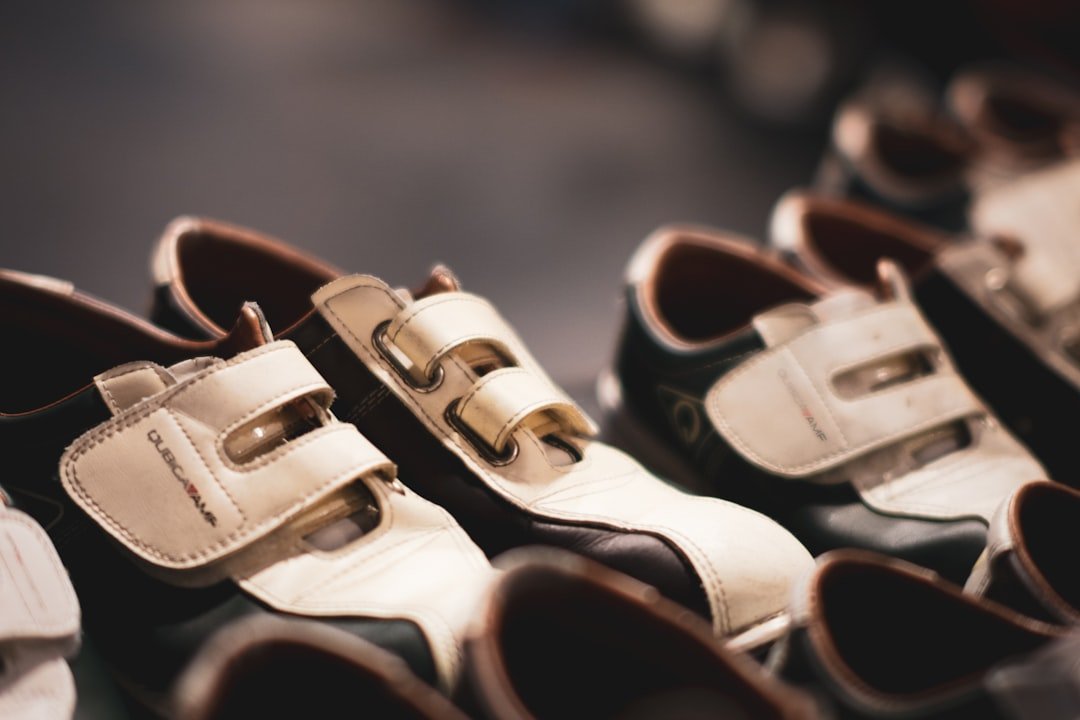
Add over-the-counter insoles when your shoe has good structural support but you need targeted relief in one area; see a podiatrist for custom orthotics when you have severe overpronation, a leg length discrepancy, or a rigid high arch. A well-made orthopedic shoe provides a strong base, but specific biomechanical problems or persistent pain sometimes need targeted correction on top of that.
Over-the-counter insoles from pharmacies and sporting goods stores add arch support, heel cushioning, or metatarsal pads for ball-of-foot pain. They come in different arch heights for flat, neutral, or high-arched feet, so matching the insole to your foot type matters as much as matching it to your pain location.
Custom orthotics are individually cast devices, made from a mold of your foot and prescribed by a podiatrist or orthopedic specialist, to correct specific biomechanical problems such as severe overpronation, a leg length discrepancy, or a rigid high arch. Occupational health practitioners consistently identify supportive footwear and insoles among the recommended interventions to reduce musculoskeletal strain from prolonged standing. When foot structure is the underlying driver, custom foot orthoses can reduce pain and improve function in ways that standard insoles cannot replicate.
The key requirement is a removable insole. If the factory insole is glued in place, a custom orthotic won’t fit correctly and can worsen alignment by raising your foot unevenly inside the shoe. Confirm that a shoe accepts a full-length removable insole before you buy it, and try it in the store with the orthotic already inserted.
Tip: Bring your existing custom orthotics when shopping for new shoes. Insert them before checking fit. A shoe that feels right with the factory insole may feel cramped once your orthotic is in place.
Fit Checklist, Break-In Tips, and When to Replace Your Shoes
A correctly fitting orthopedic shoe needs at least a thumb’s width of toe space, no pinching across the forefoot, a heel that sits snugly, firm arch contact, and a width that matches your foot. The best-designed shoe can’t protect your joints if it doesn’t fit. Too-narrow shoes compress the forefoot, aggravate bunions, and alter gait in ways that increase stress on the knee and hip. Use this checklist each time you try on a new pair.
- At least a thumb’s width of space between the end of your longest toe and the front of the shoe.
- No pinching or pressure across the widest part of the foot at the ball.
- Heel that sits snugly without slipping when you walk.
- Arch support that makes firm contact with your arch rather than leaving a gap underneath it.
- Width that matches your foot. Many brands offer wide and extra-wide options for women who need them.
Shop for shoes late in the afternoon, when feet are naturally at their largest from daily swelling. A pair that fits fine in the morning may feel tight by the time your shift needs it most.
New orthopedic shoes need a gradual break-in: wear them a few hours on the first day and add time each day over the following week. Both the shoe and your foot need time to adapt to the change in support. Starting a full shift on day one can cause blisters or muscle soreness as your foot adjusts to the different mechanics.
Supportive midsoles lose their ability to absorb load over time, even when the outer sole still looks fine. Many practitioners suggest replacing work shoes every several months to a year, based on daily hours of use and visible midsole compression. A practical test: press your thumb firmly into the midsole. Little resistance means the cushioning has broken down. Rotating between two pairs extends the life of each, since the foam needs time to decompress between shifts.
Tip: Mark the purchase date inside your shoes with a permanent marker. Without a reference point, most people underestimate how long they have been wearing the same pair.
When to See a Doctor About Foot, Knee, or Back Pain
See a podiatrist or orthopedic specialist soon if:
- Foot, knee, or lower back pain persists or worsens despite switching to supportive footwear and using insoles.
- You notice visible changes in foot shape, such as a growing bunion or a flattening arch, that affect your gait or shoe fit.
- Pain prevents you from completing a full work shift or causes you to change the way you walk.
- You are considering custom orthotics for a structural foot problem such as severe overpronation or a leg length difference.
Seek emergency or urgent care if:
- You experience sudden, severe foot or ankle pain after a fall or twisting injury.
- You notice rapid swelling, bruising, or inability to bear weight after an injury.
- Numbness, tingling, or loss of feeling in the foot or leg comes on suddenly.
Key Takeaways
- Choose orthopedic shoes with non-collapsible arch support, a deep heel cup, a firm midsole, a wide toe box, and a stable heel counter to protect your joints during all-day standing.
- Match shoe type to your condition: stability shoes for flat feet, neutral cushioned shoes for high arches, wide toe boxes for bunions, and rocker soles for plantar fasciitis relief.
- Select work-appropriate styles with slip resistance for clinical and food service settings, and maximally cushioned platforms for long hours on hard floors.
- Confirm the shoe has a removable insole before purchasing if you use a custom orthotic. Try shoes with the orthotic already inserted to check fit accurately.
- Replace supportive work shoes every several months to a year based on midsole compression, not outer sole appearance. The thumb-press test is a quick reliable check.
- Persistent pain despite good footwear is a signal to see a podiatrist or orthopedic specialist, not simply a reason to try a different brand.
Conclusion
Well-chosen orthopedic shoes reduce pain from all-day standing by supporting the foot’s natural structure and redistributing load before it concentrates into joint stress. The features that accomplish this, including a non-collapsible arch, a deep heel cup, a firm midsole, and a wide toe box, address specific biomechanical functions, not marketing language. A full shift on your feet loads that chain from the ground up again and again, and the right shoe is what interrupts it.
Matching those features to your condition and work environment relieves more pain than choosing by brand name or cushioning alone. If supportive shoes don’t solve the problem, an over-the-counter insole or a custom orthotic may provide the correction the shoe can’t on its own. If pain persists after those adjustments, a podiatrist or orthopedic specialist can identify the underlying cause and recommend treatment beyond footwear. Getting the shoe right for your feet, your condition, and your job is one of the most direct steps you can take to keep working comfortably long-term.
Frequently Asked Questions
Can orthopedic shoes really reduce back and knee pain from standing all day?
For many women, yes. Well-designed orthopedic shoes reduce the mechanical stress that travels from the foot up through the knee and into the spine. Cleveland Clinic podiatrists note that shoes lacking structural support can decrease knee stability and contribute to lower back discomfort, making supportive footwear an important first step.
What specific features should women look for in orthopedic work shoes for long shifts on their feet?
Prioritize non-collapsible arch support, a deep heel cup, a firm but cushioned midsole, a wide or rounded toe box, a stable heel counter, and a removable insole. Together, these features support foot alignment, reduce joint stress, and allow for the insertion of a custom orthotic if your podiatrist recommends one.
Are rocker bottom or maximal cushioning shoes safe for everyday use if I have joint problems?
Maximal cushioning shoes with a broad, stable platform are generally safe and widely recommended for all-day standing. Rocker bottom soles can benefit plantar fasciitis and forefoot pain but require extra caution in women with balance difficulties, as the curved sole changes how you push off the ground.
Do I still need custom orthotics if my shoes are labeled as orthopedic or supportive?
It depends on your condition. A well-made supportive shoe often relieves mild to moderate discomfort from standing. However, structural issues such as severe overpronation, a rigid high arch, or a leg length discrepancy often require the precise correction that only a custom-cast orthotic can provide.
How often should I replace orthopedic shoes if I stand or walk most of the day at work?
Many practitioners suggest replacing work shoes every several months to a year, depending on hours of use and how quickly the midsole compresses. The midsole breaks down before the outer sole shows obvious wear. A simple test: press your thumb into the midsole. Little resistance means the support has broken down.
This article is for informational purposes only and does not replace professional medical advice. Always consult your doctor before starting any treatment.